


Flavor, Health, And Culture Explained
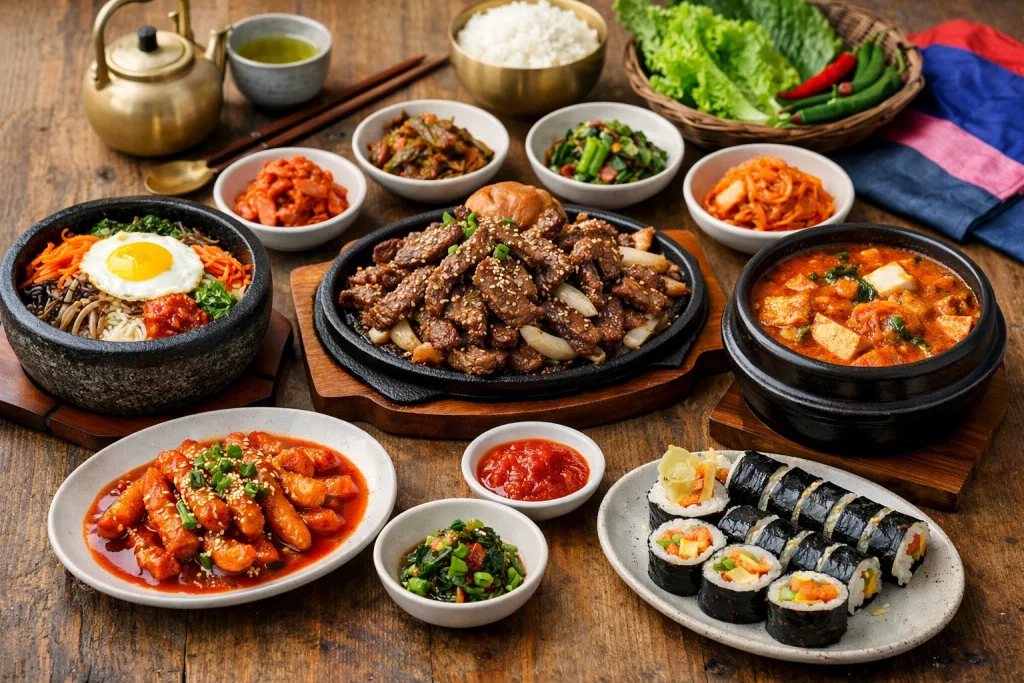
Korean cuisine has captured hearts worldwide, not just as a passing trend but as a deeply cherished culinary experience. From the tangy zest of kimchi to the savory richness of bulgogi, Korean dishes offer a symphony of flavors that resonate with diverse palates. This article explores the elements that make Korean food a global favorite.
Introduction to Korean Cuisine
Brief History and Cultural Significance
Traditional Korean food is deeply rooted in the history and food culture of Korea, reflecting centuries of culinary evolution and Korean techniques influenced by geography, agriculture, and societal norms. The cuisine showcases the ingenuity of Koreans in preserving food through fermentation, exemplified by kimchi and other fermented pastes and sauces.
How Korean Food Became Popular Globally
The global success of Korean cuisine can be attributed to several factors, including the rise of K-pop, K-dramas, and the proliferation of Korean restaurants worldwide. The popularity of Korean food is undeniable. The Korean government has also played a role in promoting K-food, further amplifying interest in Korean food globally.
Bold and Unique Flavors That Stand Out
The Role of Fermented Ingredients: Kimchi, Doenjang, Gochujang
Fermentation is a cornerstone of Korean cuisine, with several key ingredients relying on this process. These include:
- Kimchi, made from fermented cabbage, radish, and other vegetables, and celebrated for its complex flavors and health benefits.
- Doenjang and gochujang, which add depth and richness to main dishes.
Balancing Sweet, Spicy, Sour, and Umami
Korean cooking artfully balances the five fundamental tastes: sweet, spicy, sour, bitter, and umami. Gochujang, a fermented chili paste, delivers both heat and umami. Fermented ingredients and Korean seasoning contribute to this harmonious flavor profile, creating an unforgettable culinary experience.
Signature Flavor Profiles That Appeal to All Palates
From the savory bulgogi to the spicy tteokbokki, Korean dishes boast signature flavor profiles that cater to a wide range of palates. The careful use of sesame oil, garlic, and other aromatic ingredients enhances the overall taste. This has solidified the place of Korean cuisine in the global culinary landscape.
Health Benefits of Korean Dishes
Fermented Foods and Gut Health
Korean food is renowned for its health benefits, particularly the positive impact of fermented foods on gut health. Kimchi and other fermented delights are rich in probiotics, which promote a healthy gut microbiome and aid digestion. This makes Korean dining not only delicious but also beneficial for well-being.
Nutrient-Rich Ingredients: Vegetables, Lean Proteins, and Spices
Korean cuisine stands out due to its emphasis on nutrient-rich ingredients. These often include:
- A variety of colorful vegetables, providing essential vitamins and minerals.
- Lean proteins like beef, chicken, and tofu, offering a balanced nutritional profile.
Low-Fat, High-Fiber, and Balanced Meals for Wellness
Many Korean-style meals are naturally low in fat, high in fiber, and carefully balanced to promote overall wellness. The abundance of vegetables and the emphasis on lean proteins contribute to this healthy eating pattern. A bowl of bibimbap exemplifies this, offering a wholesome and satisfying meal.
Variety and Versatility of Korean Cuisine
Main Dishes: Bibimbap, Bulgogi, and Stews
Korean cuisine is celebrated for its diverse range of main dishes. Among the many popular choices, you might enjoy:
- Bibimbap, a mixed rice dish with vegetables, seasoning, and a fried egg.
- Bulgogi, marinated grilled beef known for its sweet and savory flavor.
- Kimchi jjigae, a spicy and hearty stew.
Street Foods and Snacks: Tteokbokki, Hotteok, and Gimbap
Korean street food culture is vibrant and diverse, with tteokbokki, hotteok, and gimbap being popular choices. Tteokbokki, chewy rice cakes in spicy broth, offer an addictively spicy and sweet experience. Hotteok, sweet pancakes filled with cinnamon and sugar, provide a warm and comforting treat. Gimbap, Korean-style sushi, makes a convenient and delicious snack.
Vegetarian, Vegan, and Gluten-Free Options in Korean Cuisine
Korean food also caters to various dietary needs, with vegetarian, vegan, and gluten-free options available. Many Korean dishes can be adapted to exclude meat or gluten, allowing everyone to enjoy the flavors of Korea. Tofu-based dishes and vegetable-centric meals showcase the versatility of Korean ingredients and techniques.
Social and Interactive Dining Experience
Banchan (Side Dishes) and Shared Meals
One of the unique aspects of Korean dining is the concept of banchan, or side dishes, which accompany every meal. These small plates offer a variety of flavors and textures, enhancing the overall dining experience. Sharing these dishes is a central part of Korean culture, fostering a sense of community and togetherness around the table. Banchan is an integral part of Korean cuisine.
Korean BBQ and Tabletop Cooking Experiences
Korean BBQ provides an interactive and engaging dining experience. Diners grill marinated meats like bulgogi and galbi directly at the table, creating a personalized culinary adventure. Tabletop cooking experiences, such as hot pot, further enhance the social aspect of Korean food. It also features local ingredients and provides a nice tasty dinner.
Group Dining and Its Cultural Appeal
Group dining is deeply ingrained in Korean culture. Sharing food and enjoying meals together is a cherished tradition, strengthening bonds and creating lasting memories. The communal nature of Korean dining makes it a unique and enjoyable experience, appealing to those who appreciate social interaction and shared culinary adventures.
Aesthetic and Presentation in Korean Food
Colorful Ingredients and Balanced Plating
Korean chefs pay careful attention to the aesthetic presentation of Korean dishes. Colorful ingredients are artfully arranged on plates, creating visually appealing meals. Balanced plating, with consideration for color, texture, and symmetry, enhances the dining experience. Michelin-starred restaurants and casual diners alike are a good example.
Visual Appeal Enhancing the Eating Experience
The visual appeal of Korean food significantly enhances the overall eating experience. From the vibrant colors of bibimbap to the artful arrangement of banchan, the presentation is designed to stimulate the appetite and create anticipation. This dedication to visual aesthetics reflects the deep appreciation for beauty in Korean culture.
Korean Cuisine and Pop Culture Influence
The Hallyu Effect: K-Pop, K-Dramas, and Global Exposure
The Hallyu effect, encompassing K-Pop and K-Dramas, has significantly boosted the global exposure of Korean food. As fans around the world embrace Korean culture, their interest in Korean cuisine naturally grows. This phenomenon has led to an increased popularity of Korean dishes and Korean restaurants worldwide. K-pop and K-dramas have an enormous influence.
Social Media Trends and Viral Korean Food Recipes
Social media platforms have played a pivotal role in popularizing Korean food. Viral Korean food recipes and trends often emerge, sparking interest and culinary experimentation. The visual appeal of Korean dishes, combined with their unique flavors, makes them ideal for sharing and promoting on social media. Viral kimbap is just one example.
Culinary Tourism and Experiencing Korean Food Abroad
Culinary tourism has become a significant driver of interest in Korean food. Many travelers seek to experience authentic Korean cuisine firsthand, visiting South Korea to explore its diverse food culture. This influx of culinary tourists supports the growth of Korean restaurants and culinary experiences abroad. Korean-style fried chicken is one particular point of interest.
Comfort and Everyday Appeal
Warm, Hearty, and Satisfying Dishes
Korean cuisine offers a plethora of warm, hearty, and satisfying Korean dishes that resonate with people seeking comfort food. Stews like kimchi jjigae and noodle soups provide comforting warmth, while dishes like bulgogi offer rich, savory flavors. The popularity of Korean food stems from its ability to deliver both flavor and comfort.
Easy-to-Make Recipes for Home Cooking
The accessibility of Korean food is enhanced by the availability of easy-to-make recipes for home cooking. Many individuals are now experimenting with Korean cuisine in their own kitchens, replicating their favorite Korean dishes with readily available Korean ingredients. This ease of preparation contributes to the widespread appeal of Korean food.
Combining Tradition with Modern Twists in 2026
In 2026, the culinary landscape will continue to evolve, with Korean chefs and home cooks alike experimenting with modern twists on traditional Korean dishes. This fusion of tradition and innovation ensures that Korean cuisine remains relevant and exciting, appealing to both longtime fans and newcomers alike, who want to experience Korean culture.
Tips for Enjoying Korean Dishes
How to Pair Korean Foods and Drinks
Enhancing the enjoyment of Korean dining involves understanding how to pair Korean foods and drinks effectively. For example, the spicy notes of tteokbokki might be balanced by a refreshing Korean beer, while the savory flavors of bulgogi can be complemented by rice wine. The pairings depend on what local ingredients can offer and the chef’s vision.
Exploring Regional Specialties and Seasonal Dishes
Exploring regional specialties and seasonal dishes adds depth to the experience of Korean cuisine. Each region in South Korea boasts unique culinary traditions and ingredients, offering a diverse range of flavors and textures. Seasonal dishes celebrate the freshest produce, enhancing the dining experience with vibrant and locally sourced Korean ingredients.
Incorporating Korean Flavors Into Everyday Meals
Incorporating Korean flavors into everyday meals can be a simple yet rewarding way to enjoy Korean cuisine regularly. Adding gochujang to stir-fries, using kimchi in sandwiches, or seasoning meats with Korean spices are all ways to infuse a touch of Korea into your daily diet. Some might consider Korean-Chinese cooking and recipes.
Conclusion: The Global Love for Korean Cuisine
Key Takeaways: Flavor, Health, Culture, and Experience
The global love for Korean food can be attributed to its unique blend of flavor, health benefits, cultural significance, and interactive dining experiences. The combination of bold tastes, nutrient-rich ingredients, and the communal aspect of sharing banchan creates a holistic culinary adventure. This is why the popularity of Korean dishes continues to rise.
Encouraging Readers to Try and Explore Korean Food
Readers are encouraged to embark on a culinary journey and explore the diverse world of Korean cuisine. Whether visiting Korean restaurants, experimenting with home-cooked Korean dishes, or delving into Korean food culture, there are countless ways to appreciate the richness and complexity of Korean food. Trying kimchi is a great place to start!