


The Science Behind Fat Loss, Digestion, And Metabolism
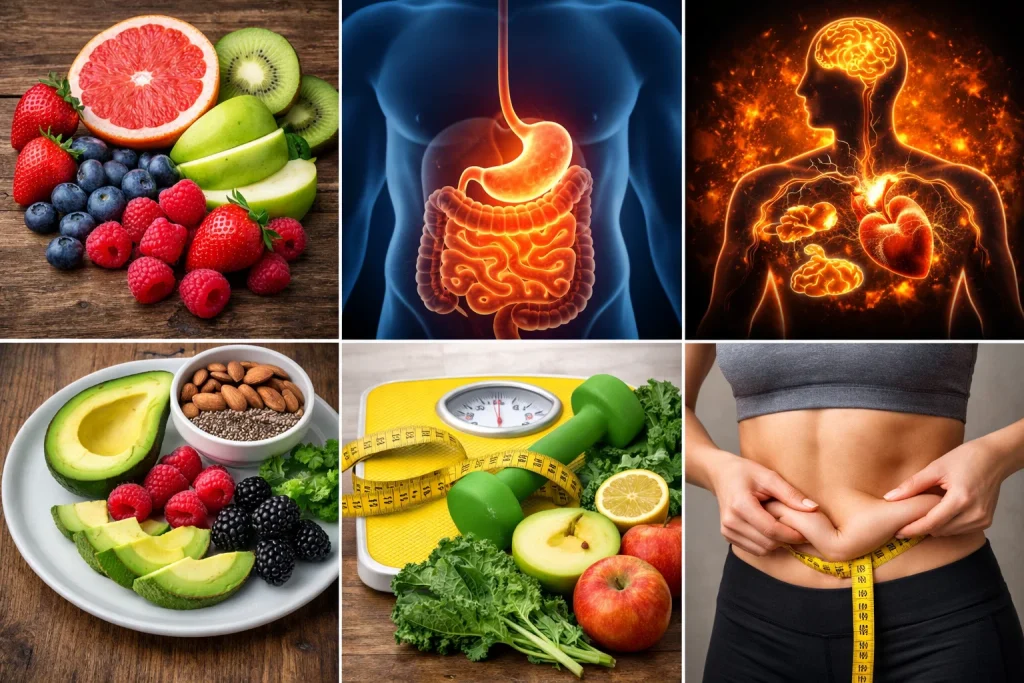
Embark on a journey to discover how the sweetness of fruit can be your ally in achieving a healthy weight. This exploration dives deep into the science of fat loss, digestion, and metabolism to reveal how incorporating certain fruits into your daily diet can significantly help you lose weight.
Can Fruits Really Help You Lose Weight? The Science Explained
Why fruits are misunderstood in weight loss diets
Many misunderstand the role of fruits in weight loss, often overlooking their high water content and fiber that helps with weight. This misconception can prevent individuals from harnessing the power of the best fruits for weight loss.
The truth about natural sugars vs added sugars
Understanding the difference between natural sugars in fruit and harmful added sugars is essential. The sweetness from fruit comes with fiber and nutrients, unlike the empty calories of added sugar, making it a healthier choice.
How fruits support fat loss without “burning fat directly”
Fruits don’t directly “burn fat,” but they do support fat loss by keeping you feeling full and providing fewer calories than processed foods. This indirect approach is an integral part of weight management.
How Weight Loss Actually Works in the Body (Simple Science Breakdown)
Calorie deficit explained in a practical way
Weight loss fundamentally relies on creating a calorie deficit, where you expend more energy than you consume. Incorporating low-calorie fruit is a delicious way to achieve this while still feeling satisfied.
Role of metabolism in fat utilization
Metabolism plays a crucial role in how your body utilizes fat. Eating fruit, especially those rich in vitamin C, may help improve your metabolic processes, aiding in efficient fat utilization for energy.
How digestion and gut health affect body weight
Digestion and gut health are inextricably linked to body weight. The fiber found in many fruits promotes a healthy gut, which can improve digestion and support efforts to maintain a healthy weight.
How Fruits Support Weight Loss Mechanisms in the Body
Fiber’s role in appetite control and satiety
Fiber is a cornerstone of appetite control. High-fiber fruits help you feel full for longer, naturally leading you to eat less and helping prevent overconsumption, which is essential for weight loss.
Water content and its effect on fullness and calorie reduction
High water content in fruits contributes to fullness while keeping calorie intake low. Fruits like watermelon, with their high water content, provide volume without the calories, helping you feel full and satisfied.
Natural sugar metabolism and energy balance
The body processes natural sugars in fruit differently than refined sugars, impacting energy balance positively. These sugars are accompanied by fiber, which slows absorption and helps prevent blood sugar spikes.
Antioxidants and inflammation reduction in fat storage
Antioxidants in fruits combat inflammation, which can affect fat storage. A diet rich in fruits and vegetables, packed with antioxidants, may help reduce inflammation and indirectly support fat loss.
Best Fruits for Weight Loss (Science-Based List)
Apples: fiber-rich appetite control fruit
Apples are a fiber-rich powerhouse, renowned for their appetite control. Their soluble fiber keeps you full, making them an excellent addition to your diet if you want to lose weight and manage hunger effectively.
Berries: low sugar, high antioxidant fat-loss support
Berries are champions when trying to lose weight because they are naturally low in sugar and high in antioxidants. These compounds not only fight inflammation but also support the body’s natural fat-loss processes.
Best Fruits for Weight Loss (Science-Based List)
Grapefruit: insulin regulation and metabolic support
Grapefruit is a citrus champion known for insulin regulation and its ability to provide metabolic support. Incorporating grapefruit into your daily diet can help you maintain a healthy weight by stabilizing blood sugar.
Pears: digestion support and long-lasting fullness
Pears are excellent because they offer digestion support and promote long-lasting fullness due to their soluble fiber. Choosing to eat fruits like pears is a great choice to help you feel full and eat less.
Watermelon: hydration and low-calorie volume eating
Watermelon shines as a hydration hero with its high water content and low calories. The sweetness of watermelon satisfies without the guilt, making it a perfect snack option for weight management.
Kiwi: gut health and digestive enzyme support
Kiwi is a small but mighty fruit that helps support gut health and boosts digestive enzyme function. Eating kiwi can help improve digestion and absorption of nutrients, contributing to maintaining a healthy weight.
Oranges: vitamin C and craving control
Oranges are packed with vitamin C and offer effective craving control, making them an ideal addition to fruit and vegetable choices. The natural sweetness and nutrients in oranges help prevent unhealthy cravings.
Papaya: enzyme-based digestion improvement
Papaya aids in enzyme-based digestion improvement, making it easier for your body to process foods. Better digestion means more efficient nutrient absorption, which indirectly helps with weight loss efforts.
Pineapple: anti-bloating and protein digestion support
Pineapple contains bromelain, an enzyme that provides anti-bloating effects and supports protein digestion. This delicious tropical fruit not only tastes great but also helps with weight loss and digestion.
How Fruits Affect Metabolism and Fat Burning Indirectly
Thermic effect of digestion and calorie use
The thermic effect of digestion plays a role in calorie use. Your body expends energy to digest food, and fresh fruit requires more energy to break down than processed items, which will be better for weight loss.
Blood sugar stability and fat storage prevention
Fruits help promote blood sugar stability, which is key in fat storage prevention. Fruits that help you lose weight like apples, pears, and berries, release sugars slowly, avoiding spikes and crashes.
Gut microbiome influence on metabolism
The gut microbiome significantly influences metabolism. High-fiber fruits support a healthy gut, which can lead to improved metabolic function and better body weight management, helping to maintain a healthy weight.
Role of hydration in metabolic efficiency
Hydration is vital for metabolic efficiency, and high-water fruits help you meet your daily fluid needs. When you eat fruit, your body’s metabolic processes function optimally, promoting overall health.
Fruits That Help Reduce Belly Fat Specifically
Low-glycemic fruits and insulin control
Low-glycemic fruits play a crucial role in insulin control, which is important for targeting belly fat. Incorporating fruits that help you lose weight in this category helps prevent insulin spikes, reducing fat storage.
Anti-inflammatory fruits for visceral fat reduction
Fruits with anti-inflammatory properties are essential for visceral fat reduction, which helps you feel full. Fruits and vegetables rich in antioxidants combat inflammation, potentially reducing stubborn belly fat and helping with weight.
Best fruit combinations for abdominal fat management
Combining fruits strategically can enhance abdominal fat management. Pairing best fruits for weight loss with healthy fats and protein can help regulate blood sugar, helping to keep you feeling full and boost fat loss.
Common Mistakes That Stop Weight Loss from Fruits
Drinking fruit juice instead of eating whole fruit
One common mistake is drinking fruit juice instead of choosing to eat the whole fruit. Fruit juice often lacks the fiber that helps regulate blood sugar and keep you feeling full, potentially hindering efforts to lose weight.
Overeating high-sugar fruits in large portions
Overeating high-sugar fruits in large portions can sabotage weight loss goals. While fruits that help are a healthier option than processed sweets, portion control is still vital to manage overall calorie intake and fat loss.
Ignoring protein and fat balance with fruit intake
Ignoring protein and fat balance when eating fruit can also impede weight loss progress. Ensure your diet includes sources of protein and healthy fats alongside fruits to create balanced meals that support satiety and fat metabolism.
Eating fruits at the wrong time of day
Eating fruits at the wrong time of day might affect weight loss. Consuming high-sugar fruits late in the evening may lead to blood sugar spikes and fat storage, so timing your fruit consumption can help you lose weight.
Best Ways to Eat Fruits for Maximum Weight Loss Results
Morning fruit strategy for appetite control
Starting your day with fresh fruit can establish effective appetite control that helps with weight. The natural sweetness and high fiber content in many fruits can keep you feeling full and reduce cravings throughout the morning. This leads to better food choices and fewer calories consumed.
Pre-meal fruit consumption for calorie reduction
Consuming fruit before meals is a smart strategy for calorie reduction that helps with weight loss. Eating low-calorie fruit or a fruit like watermelon before a meal can enhance satiety, which helps prevent overeating and contributes to better weight management. These best fruits for weight loss are high in water and fiber.
Smart fruit pairing with protein and healthy fats
Pairing fruits that help with protein and healthy fats is essential for balanced nutrition and effective weight management. This combination helps stabilize blood sugar levels, prevent energy crashes, and keep you feeling full longer, which leads to better adherence to a low-calorie diet.
Portion control guidelines for effective fat loss
Effective fat loss hinges on portion control with all foods, including fresh fruit. While eating fruit can help you lose weight, overeating even healthy options like best fruits for weight loss can lead to excess calorie intake. Be mindful of portions for sustained weight loss.
Fruit-Based Weight Loss Lifestyle Strategy (Beyond Dieting)
How fruits fit into a calorie deficit lifestyle
Incorporating many fruits into a calorie deficit lifestyle makes weight loss more sustainable and enjoyable. Selecting fruits that help you lose weight and are high in fiber and low in calories can assist in maintaining a calorie deficit while providing essential nutrients. It’s a delicious way to manage weight.
Combining fruits with exercise for better results
Combining fruit consumption with regular exercise amplifies results in your efforts to lose weight. The natural sugars in best fruits for weight loss provide energy for workouts, while their nutrients support recovery and muscle function, optimizing both fat loss and overall health for sustained weight loss.
Importance of sleep and stress control in fat loss
Adequate sleep and stress control are vital for fat loss, complementing the benefits of a fruit-inclusive diet. Lack of sleep and high stress levels can disrupt hormones that help regulate appetite and metabolism, undermining efforts to eat fruits for weight loss and maintain a healthy weight.
Myths vs Science About Fruits and Weight Loss
“Fruit makes you fat” myth explained
The myth that “fruit makes you fat” is scientifically unfounded. Fruits are naturally low in fat and calories, high in water and fiber that helps promote satiety. As long as eaten in moderation, fruits that help you lose weight are beneficial, not detrimental, to fat loss.
“Sugar in fruit is the same as soda” misconception
The misconception that “sugar in fruit is the same as soda” is inaccurate because fruit contains natural sugars alongside fiber, vitamins, and antioxidants. In contrast, sodas are loaded with added sugar, which lacks nutritional value and impacts blood sugar differently, making fruit a better choice.
“Fruits alone can melt fat” false belief
The belief that “fruits alone can melt fat” is misleading; no single food can magically eliminate fat. Fruits support weight loss when integrated into a balanced diet and active lifestyle, but they should not be relied upon as a sole solution for sustained fat loss.
7-Day Simple Fruit-Inclusive Weight Loss Plan (Practical Guide Section)
Sample breakfast, snack, and meal structure
Here’s an example of how you can structure a weight loss plan that incorporates fruit:
- Breakfast: Oatmeal with berries
- Mid-morning snack: An apple
- Lunch: Main course with a side of oranges
Dinner should then be a balanced meal of proteins and vegetables. This approach helps diversify your fruit intake.
How to rotate fruits for nutrition balance
Rotating fresh fruit ensures a balanced intake of vitamins and minerals that help reduce nutrient deficiencies. Incorporating a variety of fruits to lose weight throughout the week, such as berries, apples, kiwi, and watermelon, provides diverse health benefits and maximizes your daily diet.
Hydration and timing recommendations
For optimal health, pair hydration with strategic timing when following a fruit-inclusive diet plan. Drinking plenty of water supports digestion and metabolism, while eating fruits before meals can enhance satiety, making best fruits for weight loss a part of a healthy weight management plan.
Conclusion: Why Fruits Are a Powerful Tool for Healthy, Sustainable Weight Loss
In conclusion, eating fruit offers a powerful tool for achieving healthy and sustainable weight loss, if you want to lose weight. High in fiber and packed with vitamins, fruits support fat loss, promote satiety, and enhance overall well-being. Embrace best fruits for weight loss as part of a balanced lifestyle to reap the numerous benefits they offer.