

Authenticity, Wellness, And Self-Expression Explained
As we delve into 2026, the landscape of beauty has undergone a profound transformation, moving beyond superficial aesthetics to embrace a more holistic and authentic understanding of what it means to be beautiful. This article explores the core pillars of this new definition, which include:
- Authenticity
- Wellness
- Self-expression
Why Beauty Standards Are Changing in 2026
The beauty industry is experiencing an unprecedented shift, redefining established norms and embracing innovative approaches that resonate with contemporary values. This evolution is crucial for understanding the beauty trends defining 2026 and beyond.
The shift from traditional perfection to modern authenticity
The beauty trends of 2026 reflect a significant move away from rigid, unattainable ideals of perfection towards a celebration of modern authenticity. Consumers are increasingly seeking beauty routines and products that enhance their natural features rather than mask them, prioritizing genuine self-representation over contrived flawless facades.
Why Gen Z and digital culture are driving beauty evolution
Gen Z, with its inherent digital fluency and commitment to individuality, is largely driving this beauty evolution. Their preference for transparency and realness, amplified by digital culture, has reshaped expectations for beauty products and marketing, favoring personalization and relatable content over aspirational, often unrealistic, imagery.
How social media reshaped global beauty perception
Social media platforms like TikTok have dramatically reshaped global beauty perception, democratizing beauty and allowing diverse voices to influence trends. This digital shift promotes a more inclusive and varied interpretation of beauty, challenging traditional standards and fostering a wider appreciation for different skin tones and beauty looks.
The Old Definition of Beauty vs The New 2026 Standard
Comparing past beauty ideals with the new 2026 standard reveals a stark contrast, highlighting a societal embrace of individuality and a rejection of outdated, restrictive norms. This redefinition is changing how we perceive beauty.
Traditional beauty ideals: symmetry, perfection, and filters
Traditional beauty ideals often revolved around a singular, often Eurocentric, vision of beauty that excluded many. These standards often promoted:
- Strict symmetry and an elusive sense of perfection
- The increasing use of heavy filters to achieve an artificial look
Why these standards are becoming outdated
These traditional standards are becoming outdated as consumers, particularly Gen Z, increasingly reject the pressure to conform to unrealistic images. The desire for genuine representation and a backlash against the mental health implications of constant comparison have rendered these ideals less relevant.
The rise of individuality and identity-based beauty
The rise of individuality and identity-based beauty marks a pivotal change, encouraging people to embrace their unique features and express their personal style. This approach fosters a sense of empowerment, allowing individuals to define their own beauty without external pressures.
Authenticity: The Core of Modern Beauty in 2026
Authenticity is at the very core of modern beauty in 2026, advocating for a genuine appreciation of one’s natural self. This involves embracing features and textures that were once deemed imperfections.
Naturally blurred lips and real skin texture appreciation
Naturally blurred lips and a genuine appreciation for real skin texture are prime examples of this authentic shift. Makeup looks are now leaning towards a sheer tint or soft-matte finish, and this is achieved by utilizing products that enhance rather than conceal, allowing the natural skin barrier to shine. These products include:
Unfiltered content and “real self” representation online
The push for unfiltered content and “real self” representation online signifies a collective desire for transparency and honesty in beauty. This movement encourages individuals to showcase their authentic selves, fostering a more relatable and inclusive digital beauty landscape.
Why imperfection is now considered attractive
Imperfection is now considered attractive because it signifies uniqueness and authenticity, moving away from the unattainable standards of flawlessness. This celebration of natural variation encourages a healthier, more self-accepting approach to personal appearance and beauty routines.
Wellness as the Foundation of Beauty
Wellness has emerged as an indispensable foundation of beauty, underscoring the deep connection between internal health and external radiance. This holistic perspective is changing beauty standards.
How skincare, collagen, and serum culture replaced heavy makeup
The culture of extensive skincare, incorporating ingredients like collagen and peptide serums, has effectively replaced the reliance on heavy makeup. Consumers are investing in high-performance, science-backed skincare ingredients and formulations that nourish and protect the skin barrier, seeking a healthy glow from within rather than covering imperfections.
The connection between sleep, nutrition, and appearance
There is an undeniable connection between adequate sleep, balanced nutrition, and one’s overall appearance. Recognizing this, many are adopting regenerative beauty practices and incorporating mitochondrial support for skin longevity, understanding that inner vitality directly reflects on outward radiance.
Fitness and hydration as beauty factors
Fitness and hydration are now widely recognized as crucial beauty factors, contributing significantly to a vibrant complexion and overall well-being. Regular physical activity and sufficient water intake are integral to achieving that coveted glossy, healthy look, often more so than any topical beauty products.
Holistic self-care as a beauty standard
Holistic self-care, encompassing mental, emotional, and physical well-being, has become a paramount beauty standard. This approach emphasizes comprehensive well-being, acknowledging that true beauty emanates from a balanced and nourished self, promoting an integrated view of health and aesthetics in one’s at-home skincare routine.
Self-Expression: Beauty as Personal Identity
Self-expression is now paramount, with beauty serving as a powerful tool for individuals to articulate their unique identities and perspectives. This shift encourages creativity and personal narrative.
Fashion as a form of emotional and cultural expression
Fashion in 2026 has evolved beyond mere trends to become a profound form of emotional and cultural expression, allowing individuals to convey their innermost feelings and heritage through their style choices. This personalization is evident in the latest trends, where diverse aesthetics and cultural influences blend to create unique beauty looks that reflect individual stories and values.
Breaking beauty stereotypes through individuality
The beauty industry in 2026 is actively breaking beauty stereotypes through the celebration of individuality, moving away from prescriptive norms to embrace a wider spectrum of appearances. This shift is powered by Gen Z’s influence, promoting an environment where authentic self-expression and diverse skin tones are valued, fostering a more inclusive definition of beauty.
Gender fluidity and inclusive beauty standards
Gender fluidity is a significant driver in the development of inclusive beauty standards, challenging traditional binaries and opening up new possibilities for makeup and fragrance application that transcend conventional categories. The beauty trends defining 2026 champion an approach where individuals are free to explore their identity without limitation, reflecting a broader societal acceptance of diverse expressions of self.
The Role of Digital Identity in Modern Beauty
Digital identity plays an increasingly critical role in shaping modern beauty, influencing how individuals perceive and present themselves online. This digital landscape redefines aesthetic perception.
How social media defines aesthetic perception in 2026
Social media continues to profoundly define aesthetic perception in 2026, acting as a primary platform where new beauty trends emerge and gain widespread traction, often influencing millions within hours. Platforms like TikTok are particularly impactful, showcasing a myriad of beauty looks, from barely-there makeup to more elaborate styles, shaping what is considered beautiful and desirable in real-time.
Rise of “authentic curation” instead of perfection editing
The rise of “authentic curation” marks a significant departure from the previous era of perfection editing, with individuals increasingly opting to share genuine, unretouched images that highlight real skin texture and natural features. This trend for 2026 promotes transparency and relatability, fostering a healthier digital environment where imperfections are accepted and celebrated as part of one’s unique beauty.
Influence of TikTok, Instagram, and AI filters on beauty trends
TikTok, Instagram, and even advanced AI filters wield immense influence on beauty trends, continuously introducing new makeup looks, skincare routines, and even hairstyles that capture public imagination.
While AI filters can offer transformative experiences, the prevailing preference is for those that offer subtle enhancement or playful creativity, aligning with the desire for authentic yet engaging digital identities that showcase various skin tones and beauty looks.
Minimalism vs Enhancement: The New Beauty Balance
The new beauty balance in 2026 skillfully navigates between minimalism and strategic enhancement, focusing on subtle refinements rather than dramatic transformations. This approach redefines conventional beauty.
Natural enhancement over heavy transformation makeup
Natural enhancement is overwhelmingly favored over heavy transformation makeup, reflecting a widespread desire to celebrate and subtly improve one’s inherent features without completely altering them.
This approach to beauty trends emphasizes a “less is more” philosophy, utilizing innovative skincare ingredients and sheer tint products to achieve a polished yet authentic appearance, rather than layering on heavy formulations to conceal.
Clean girl aesthetic vs expressive individuality trends
The “clean girl” aesthetic, characterized by a glossy, natural appearance with minimal makeup and meticulous skincare, continues to thrive, often featuring a nourishing lip balm and a radiant complexion, standing in subtle contrast to the more expressive individuality trends.
While both are popular beauty looks, the clean girl focuses on refined simplicity, emphasizing health and an effortless glow through an at-home skincare routine, whereas expressive individuality might embrace bold color or unique makeup application techniques.
Why subtle beauty is replacing dramatic styling
Subtle beauty is replacing dramatic styling because it aligns with the broader societal shift towards authenticity and self-acceptance, encouraging individuals to feel confident and comfortable in their own skin.
This movement advocates for a less time-consuming at-home skincare routine and makeup application that focuses on enhancing the skin barrier and natural features, offering a sophisticated alternative to the more overt glam looks of the past, thereby redefining beauty for the year ahead.
Sustainability and Conscious Beauty Choices
Sustainability and conscious choices are now integral to beauty, guiding consumers towards products and practices that are environmentally responsible and ethically produced. This shift reflects deeper values.
Ethical skincare and clean beauty products trend
The ethical skincare and clean beauty products trend is accelerating in 2026, driven by consumers’ increasing demand for transparency regarding ingredients, sourcing, and environmental impact within the beauty industry.
This movement favors high-performance formulations that nourish the skin barrier without harmful chemicals, emphasizing sustainable packaging and production methods, making choices that benefit both personal health and planetary well-being.
Sustainable fashion as part of beauty identity
Sustainable fashion has become an indispensable part of beauty identity, as consumers recognize the profound link between their clothing choices and their overall personal aesthetic and values.
This involves opting for garments made from eco-friendly materials, supporting brands with ethical labor practices, and investing in durable pieces that contribute to a conscious lifestyle, thereby extending the definition of beauty beyond just skincare and makeup to encompass a holistic approach to personal style.
Why conscious living is now linked to attractiveness
Conscious living is now intrinsically linked to attractiveness because it reflects a deeper level of awareness and responsibility, qualities that are increasingly valued in the beauty trends defining 2026.
Individuals who prioritize ethical consumption, environmental stewardship, and a mindful lifestyle are perceived as more appealing, embodying a beauty that is not just skin deep but rooted in a commitment to positive global impact and personal integrity, contributing to a truly regenerative beauty philosophy.
Emotional Intelligence as a Beauty Standard
Confidence, calm energy, and self-awareness as attractive traits
Confidence, calm energy, and self-awareness are increasingly recognized as deeply attractive traits in the beauty trends defining 2026, surpassing purely physical attributes as markers of true allure. This shift highlights a deeper appreciation for inner well-being, where a person’s composure and understanding of self are seen as enhancing their overall beauty and presence, contributing to a more integrated and sophisticated understanding of attractiveness.
Social behavior and communication as part of beauty perception
Social behavior and effective communication have become integral to beauty perception in 2026, as individuals who exude kindness, empathy, and strong interpersonal skills are often perceived as more beautiful.
The beauty industry is acknowledging that how one interacts with the world and expresses themselves verbally is just as impactful as their physical appearance, fostering a holistic view where grace and consideration amplify natural charm.
Inner well-being reflecting outward appearance
The concept of inner well-being reflecting outward appearance is central to the new beauty standards of 2026, emphasizing that genuine radiance stems from a balanced mental and emotional state, which is enhanced by a consistent at-home skincare routine.
This regenerative beauty philosophy suggests that practices such as mindfulness, stress reduction, and nurturing self-care directly contribute to a more vibrant complexion and an overall attractive demeanor, making inner health a visible asset.
Diversity and Inclusivity in 2026 Beauty Culture
Representation of all skin tones, body types, and features
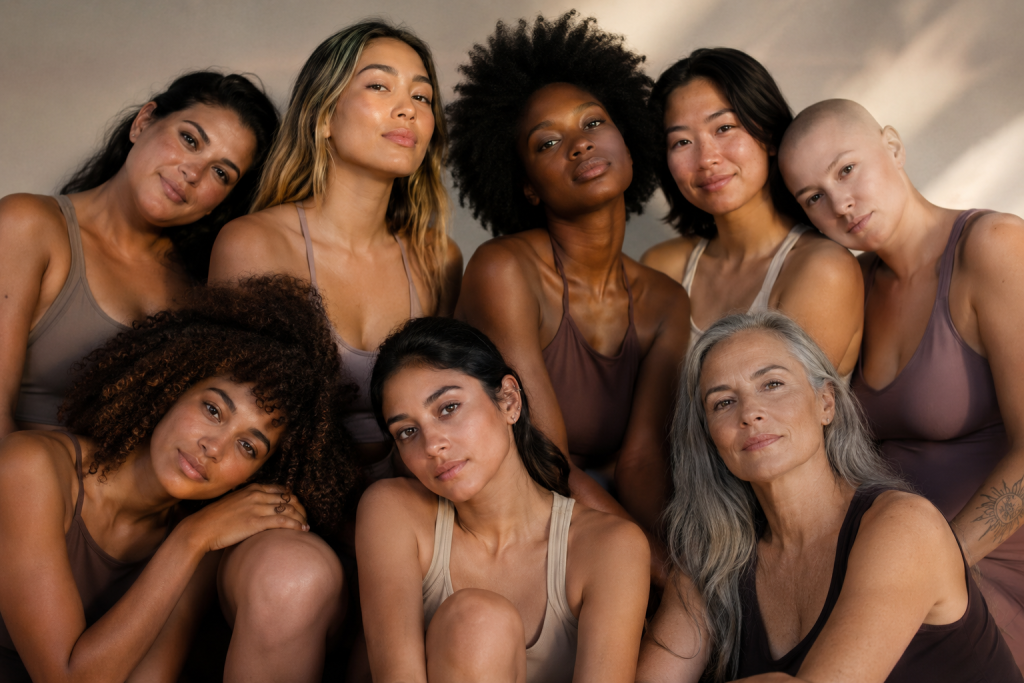
The representation of all skin tones, body types, and features is a non-negotiable cornerstone of beauty culture in 2026, actively dismantling previous narrow ideals to celebrate the rich tapestry of human diversity.
The beauty industry now champions imagery and products that cater to and showcase a wide range of individuals, ensuring that everyone can see themselves reflected and valued within the latest trends, reinforcing an inclusive vision for the year ahead.
Cultural beauty appreciation and global influence
Cultural beauty appreciation and global influence are profoundly shaping the beauty trends defining 2026, as practices and aesthetics from around the world are celebrated and integrated into mainstream consciousness.
This respectful exchange fosters a deeper understanding and admiration for various traditions, from K-Beauty innovations to ancient wellness rituals, enriching the global beauty landscape and promoting a sense of interconnectedness through diverse beauty looks.
End of one-size-fits-all beauty standards
The end of one-size-fits-all beauty standards marks a monumental shift in 2026, as the beauty industry irrevocably moves away from prescribing a singular ideal to embracing an expansive and fluid definition of attractiveness. This liberates individuals to define their own beauty, celebrating unique features and personal style, thereby making personalization and individual expression the ultimate trend for 2026 and beyond.
Common Misconceptions About Modern Beauty
“Natural means no effort” myth explained
The “natural means no effort” myth is a common misconception about modern beauty in 2026, as maintaining a healthy, radiant appearance, even a barely-there makeup look, often requires a dedicated skincare routine and intentional self-care practices.
While the aim is authenticity, achieving that coveted “glossy” or “airy” glow usually involves consistent nourishment of the skin barrier, strategic use of high-performance skincare ingredients, and a thoughtful approach to wellness, contrary to popular belief.
“Beauty standards no longer exist” misconception
Another prevalent misconception is that “beauty standards no longer exist” in 2026, when in reality, they have simply evolved to prioritize different qualities such as authenticity, wellness, and self-expression, as seen in the popularity of the clean girl aesthetic.
While the rigid, traditional ideals have dissolved, new beauty trends now emphasize inner health, ethical choices, and personal connection to makeup and fragrance, guiding consumers towards a more holistic yet still defined sense of beauty.
Why self-expression still involves intention and effort
Self-expression, while emphasizing individuality, still involves considerable intention and effort in 2026, particularly when curating personal beauty looks or maintaining a robust at-home skincare regimen to support natural radiance.
Whether it’s choosing specific makeup and fragrance, experimenting with hairstyles, or selecting skincare products with targeted ingredients like collagen and peptide serums, conscious decisions and consistent application are crucial for achieving and articulating one’s desired aesthetic and personal brand.
The Psychology Behind the New Beauty Movement
Why people are rejecting perfection fatigue
People are actively rejecting perfection fatigue in 2026 because the relentless pursuit of unattainable ideals, often amplified by heavily filtered images on platforms like TikTok, has proven detrimental to mental health and self-esteem.
This psychological shift reflects a collective yearning for genuine connection and self-acceptance, leading individuals to seek beauty routines and makeup looks that celebrate their unique features rather than striving for an impossible, flawless facade, promoting true skin longevity.
Authenticity and mental health connection
The deep connection between authenticity and mental health is a driving force behind the new beauty movement in 2026, as embracing one’s real self, including natural skin texture and personalized beauty looks, fosters greater self-acceptance and reduces anxiety.
By prioritizing transparency and honesty in beauty, individuals cultivate a stronger sense of self-worth, recognizing that their inherent beauty, enhanced by a nourishing lip balm or a sheer tint, is enough without constant comparison to unrealistic images.
Social validation shift from appearance to identity
The shift in social validation from purely physical appearance to personal identity is a significant psychological change in 2026, where recognition and acceptance are increasingly granted based on one’s values, self-expression, and overall well-being.
This redefinition of beauty encourages individuals to invest in their inner health, ethical choices, and unique style, understanding that true validation comes from embodying an authentic self rather than conforming to superficial standards, leading to more meaningful connections and genuine confidence.
Future of Beauty Beyond 2026
Looking beyond 2026, the future of beauty is poised to delve even deeper into hyper-personalization, integrating advanced AI and bio-technological innovations to create bespoke skincare and beauty products tailored precisely to individual needs and genetic predispositions.
This evolution will further blur the lines between health and beauty, emphasizing regenerative practices and customized solutions for skin longevity, promising an era of unprecedented self-optimization that also respects sustainability and ethical considerations.
Conclusion: Beauty in 2026 Is About Being Real, Healthy, and Individual
In conclusion, beauty in 2026 has unequivocally transcended superficiality, firmly establishing itself as a celebration of being real, healthy, and individual, with a strong emphasis on personalized beauty routines and self-care. The prevailing beauty trends highlight authenticity, robust wellness practices, and the powerful expression of personal identity, affirming that true allure stems from a holistic and self-aware approach to one’s unique being, a journey of continuous discovery and genuine self-love.