


Clothes Made Just For You? The Rise Of Hyper-Personalized Fashion Powered By Your Body Data
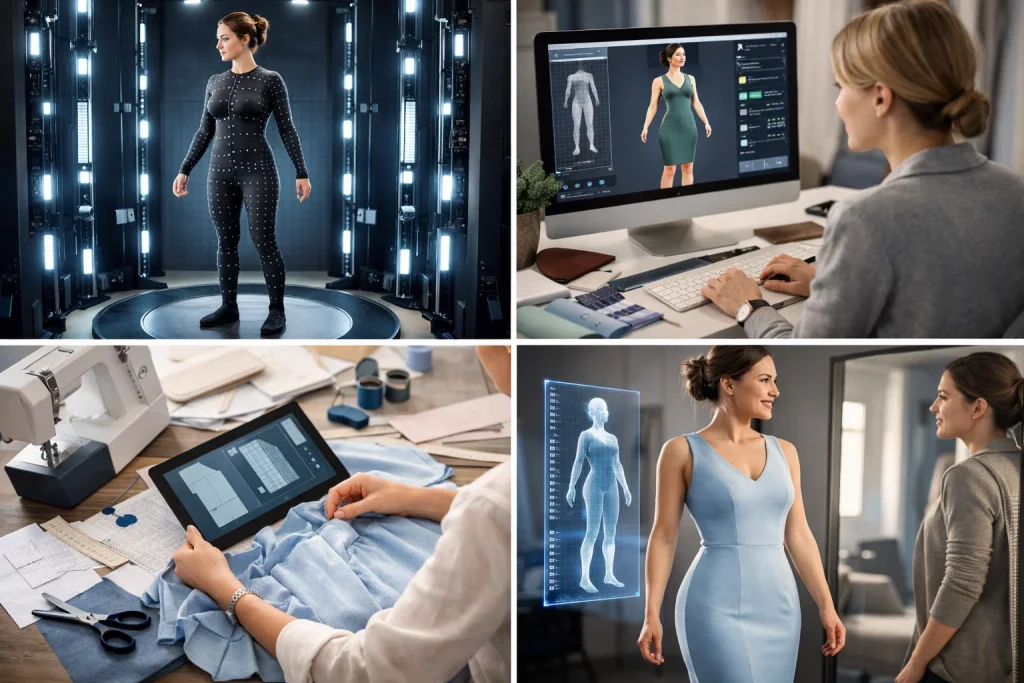
Imagine a world where your clothes fit perfectly, reflecting your unique style and body. This is the promise of hyper-personalized fashion, a revolutionary shift transforming how we think about apparel and the fashion industry, powered by the potential of artificial intelligence.
The End of Standard Sizes in Fashion
Why Traditional Sizing No Longer Works
Traditional sizing often fails because it relies on outdated and generalized body measurements. Every body is unique, yet standardized sizes force individuals into pre-defined shapes. This one-size-fits-all approach neglects the diversity of body shapes, leading to frustration for shoppers and a poor customer experience.
The Shift Toward Data-Driven Clothing
The future of fashion is leaning towards data-driven clothing, utilizing body data to personalize the shopping experience. Customization is key, as apparel brands analyze data to create personalized clothing that caters to individual customer data. This shift promises better sizing and fit, marking the start of personalized fashion.
What Is Hyper-personalization in Fashion?
How Hyper-Personalized Fashion Works
Hyper-personalization in fashion involves leveraging advanced AI technologies to create personalized clothing. AI algorithms analyze body measurements and style preferences to produce custom apparel tailored to individual body shapes. This data-driven approach aims to empower every body with garments designed for a perfect fit.
Difference Between Custom-Made and Data-Driven Clothing
While both offer customization, data-driven clothing uses AI systems to streamline the process. Custom-made clothing often relies on manual measurements and adjustments, while data-driven apparel utilizes body scans and AI algorithms to ensure precision, improve sizing and fit, and personalize at scale.
What Body Data Is Used to Design Your Clothes?
Physical Measurements and 3D Body Scanning
Physical measurements, obtained through methods like 3D body scanning, form a crucial part of the data inputs for personalized clothing. These body scans capture precise body measurements, allowing AI fashion systems to create garments that accurately reflect a shopper’s body shape and size for an enhanced customer experience.
Biometric Data (Temperature, Movement, Sweat)
Beyond physical measurements, biometric data offers insights into comfort and performance. Data points like temperature, movement, and sweat levels can inform the design of activewear and personalized clothing. This enables apparel brands to tailor garments to specific activities and environmental conditions for an amazing garment fit.
Style Preferences and Behavioral Data
Style preferences and behavioral data provide valuable context for personalization. By analyzing a shopper’s fashion choices, previous purchases, and styling recommendations, AI platforms can personalize clothing and suggest personalized recommendations. This transforms the shopping experience, aligning garments with individual tastes.
The Technology Behind Hyper-Personalized Fashion
AI and Machine Learning in Clothing Design
The fashion industry is being revolutionized by the role of AI, with AI algorithms and machine learning at the forefront of clothing design. AI-powered tools analyze body measurements, body shape, and style preferences to create custom apparel. Discover how AI is transforming personalization in garment creation, with seamless integration.
Smart Textiles
Smart textiles enhance personalized clothing by integrating technology directly into the fabric. These advanced materials can respond to temperature, movement, or other stimuli, providing enhanced comfort and functionality. Apparel brands can leverage AI to personalize clothing designs using data analytics from these smart textiles for every body.
Wearables and Data Integration
Wearables play a crucial role in gathering body data for personalized fashion. Devices like smartwatches collect data points such as activity levels, temperature, and heart rate. This data, integrated with AI systems, enables fashion brands to create garments that adapt to the wearer’s needs, improving sizing and fit and enhancing the customer experience.
Benefits of Clothes Designed for Your Body
Perfect Fit and Comfort
One of the most significant advantages of personalized clothing is the perfect fit and comfort it offers. Garments are tailored to the individual’s unique body type and body shape, eliminating the issues of ill-fitting apparel. This customized sizing and fit enhances the shopper’s experience, empowering confidence in every body.
Better Performance and Functionality
Personalized clothing, enhanced by advanced AI, goes beyond aesthetics, offering better performance and functionality. AI algorithms analyze body data to design activewear that supports movement and enhances athletic performance. The customization ensures garments fit perfectly, aiding mobility, and improving overall comfort, and leverages AI to ensure optimal performance.
Reduced Waste and Sustainable Fashion
Hyper-personalization contributes to sustainable fashion by reducing waste through customization and on-demand production. By creating apparel that perfectly fits every body and is only produced when ordered, excess inventory and returns are minimized. Fashion personalization, enhanced by AI, therefore aids sustainability by optimizing resource use in garment production.
Real-World Examples of Hyper-Personalized Fashion
Custom-Fit Apparel and On-Demand Production
Custom-fit apparel is becoming increasingly accessible with on-demand production methods. AI systems analyze body scans and style preferences to produce garments tailored to individual specifications. This ensures a perfect sizing and fit, eliminating the frustrations of traditional sizing and enhancing the shopper’s experience with personalized clothing.
AI Styling Apps and Smart Recommendations
AI styling apps provide personalized recommendations based on body measurements, body shape, and style preferences. These AI-powered apps analyze fashion choices and offer suggestions, helping shoppers discover garments that complement their body shape and style. These AI platforms are transforming the shopping experience and empower with AI-driven personalization.
Adaptive Sportswear and Performance Clothing
Adaptive sportswear exemplifies hyper-personalized fashion by utilizing AI and smart textiles. This personalized clothing adapts to the wearer’s movement, temperature, and activity levels, optimizing comfort and performance. Apparel brands leverage AI to analyze data inputs and design garments that cater to the unique needs of athletes and fitness enthusiasts.
Challenges and Risks You Should Know
Privacy Concerns Around Body Data
One of the primary challenges in hyper-personalized fashion involves privacy concerns surrounding body data. As AI systems collect and analyze sensitive information like body measurements and style preferences, ensuring data security and shopper anonymity becomes paramount. Safeguarding every body’s data and implementing robust privacy measures is essential for maintaining customer trust.
High Cost and Limited Accessibility
The high cost of personalized fashion can be a limiting factor, restricting accessibility for some shoppers. Advanced AI technologies, 3D body scanning, and custom apparel production contribute to higher prices compared to mass-produced garments. Bridging the accessibility gap and finding affordable AI solutions is crucial for democratizing personalization.
Accuracy and Technology Limitations
Despite advancements, accuracy and technology limitations can still affect the effectiveness of personalized fashion. AI algorithms may not always perfectly capture body shape complexities, leading to occasional sizing and fit issues. Addressing these limitations and refining AI tools are essential for ensuring consistent results and improving the customer experience.
Hyper-Personalized Fashion vs Traditional Fashion
Key Differences in Fit, Experience, and Production
Hyper-personalized fashion differs significantly from traditional fashion in fit, experience, and production. AI-powered systems create apparel tailored to individual body measurements, ensuring a precise fit compared to standardized sizing. The shopping experience is more interactive, with AI stylists offering personalized recommendations, and production shifts to on-demand, reducing waste and enhancing customization.
Why Personalization Is the Future of Fashion
Personalization represents the future of fashion due to its ability to address the limitations of traditional sizing and cater to individual style preferences. Leveraging AI to analyze body data and provide personalized recommendations empowers shoppers to find garments that fit perfectly and reflect their unique taste. This shift towards personalized clothing enhances customer satisfaction and fosters brand loyalty with AI tools.
The Future of Fashion: What Comes Next?
Fully Adaptive Clothing and Real-Time Adjustments
The future holds the promise of fully adaptive clothing with real-time adjustments. AI systems and smart textiles will enable garments to respond dynamically to changes in body temperature, activity levels, or environmental conditions. Imagine apparel that adjusts its fit and style based on your immediate needs, enhancing comfort and performance seamlessly.
Integration With AI and Digital Avatars
Integration with AI and digital avatars will revolutionize the fashion industry. Shoppers can use AI to create virtual representations of themselves and virtually try on garments for personalized recommendations, ensuring a perfect fit before making a purchase. AI can analyze style preferences and body data to recommend ensembles and empower shoppers for a more immersive customer experience.
The Role of Virtual Fitting and Smart Retail
Virtual fitting and smart retail will play a pivotal role in personalized fashion. AI-powered tools enable shoppers to try on clothes virtually, eliminating the need for physical dressing rooms. Smart retail environments leverage AI to analyze shopper behavior and provide personalized recommendations, transforming the shopping experience and streamlining the path to purchase with AI solutions.
Final Verdict: Is Hyper-Personalized Fashion Worth It?
Hyper-personalized fashion offers significant benefits, including a superior sizing and fit, enhanced comfort, and reduced waste. However, challenges like privacy concerns and high costs must be addressed. The transformative potential of AI and data analytics in revolutionizing the fashion industry and empowering every body makes personalized clothing a compelling investment for the future of style.