


How AI Is Reinventing The Way We Learn
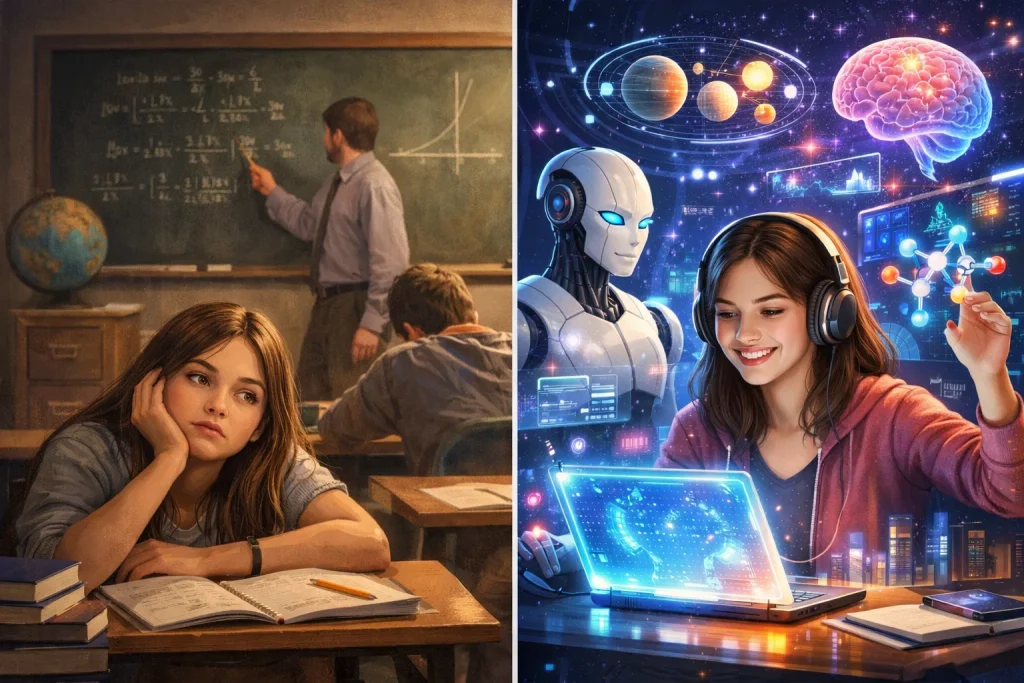
In this article, we explore how artificial intelligence is transforming education. From personalized learning experiences to intelligent tutoring systems, we’ll examine the ways in which AI is making education more engaging, effective, and accessible for learners of all ages. Join us as we delve into the future of learning and discover how AI is reshaping the way we acquire knowledge and skills.
The Evolution of Education in the Digital Age
Why Traditional Learning Methods Are Losing Relevance
Traditional education systems, often rigid in curriculum and pedagogy, are struggling to meet diverse learning needs. The reliance on standardized testing and a one-size-fits-all approach fails to prepare students for the complexities of the modern world. This has led to a growing recognition of the need for innovation in education and more equitable learning opportunities that foster critical thinking and problem-solving skills.
How AI is Becoming a Game-Changer in Education
Artificial intelligence is rapidly changing the future of education. AI offers innovative solutions to modernize the education system. By integrating AI tools, personalized learning environments can be created. This can facilitate a more engaging and effective learning experience for all learners and empower educators to better support student success.
Personalized Learning: Tailoring Education to Every Student
Adaptive Learning Platforms: Meeting Students Where They Are
Adaptive learning platforms leverage AI to tailor the learning experience to each learner’s unique pace and style. These platforms provide customized learning paths and personalized feedback, ensuring that students are challenged appropriately and supported in areas where they need assistance. This adaptive approach allows students to learn at their own speed, maximizing their potential for success.
Customized Lesson Plans: Targeting Individual Strengths and Weaknesses
Generative AI and AI applications enable the creation of customized lesson plans that directly address individual strengths and weaknesses. AI tools analyze student performance data to identify areas where students excel and areas where they need additional support. By targeting individual learning needs, educators can create more effective and engaging learning experiences, ultimately improving learning outcomes.
Self-Paced Learning: Allowing Students to Learn at Their Own Speed
Self-paced learning allows learners to progress through the curriculum at their own speed. AI-powered platforms can monitor student progress and provide personalized support, ensuring that they master each concept before moving on. This approach caters to individual learning styles and preferences, promoting a more effective and enjoyable learning experience, which is crucial for lifelong learning.
Intelligent Tutoring and Feedback: Learning with AI Mentors
AI Tutors: 24/7 Support for Every Learner
AI tutors provide 24/7 support for every learner, offering personalized guidance and assistance whenever it’s needed. These virtual mentors can answer questions, provide explanations, and offer encouragement, fostering a more supportive and engaging learning environment. This constant availability ensures that students have access to the resources they need to succeed, regardless of time or location.
Instant Feedback Systems: Improving Performance in Real Time
Instant feedback systems provide learners with immediate insights into their performance, enabling them to identify and correct mistakes in real-time. These systems use AI to analyze student responses and provide personalized feedback, helping them to improve their understanding and skills. This rapid feedback loop promotes active learning and encourages students to take ownership of their learning journey, shaping the future of learning.
Conversational Learning: Chatbots and Virtual Study Assistants
Conversational learning, facilitated by chatbots and virtual study assistants, creates immersive and interactive learning experiences. These AI-powered tools can answer questions, provide explanations, and guide students through complex topics, fostering a deeper understanding and engagement. These virtual assistants can also promote collaborative learning by connecting students with peers and providing access to relevant resources.
Immersive Learning Experiences: From VR to Gamification
Virtual and Augmented Reality in Classrooms
Virtual and augmented reality offer immersive learning experiences that can transform classrooms into engaging and interactive environments. By using VR and AR, learners can explore historical sites, conduct virtual science experiments, and collaborate with peers in virtual spaces. This immersive approach can enhance understanding, retention, and engagement, paving the way for the future of education.
Gamified Learning: Making Education Engaging and Fun
Gamified learning makes education engaging and fun by incorporating game-like elements into the curriculum. Points, badges, leaderboards, and challenges motivate learners and provide a sense of accomplishment. This approach can increase engagement, motivation, and retention, while also developing problem-solving and critical thinking skills and allows for innovative teaching and learning strategies.
Simulation-Based Training: Preparing for Real-World Challenges
Simulation-based training prepares learners for real-world challenges by providing realistic, hands-on experiences. These simulations allow learners to practice skills, make decisions, and receive feedback in a safe and controlled environment. Simulation is especially valuable in fields such as medicine, engineering, and aviation, where mistakes can have serious consequences and helps learners integrate ai.
Automation and Analytics: Empowering Educators
Streamlining Grading and Administrative Tasks
Automation and analytics empower educators by streamlining grading and administrative tasks. AI-powered tools can automate grading, generate reports, and manage student data, freeing up educators to focus on teaching and supporting their learners. This automation can improve efficiency, reduce workload, and enable educators to provide more personalized attention to their students.
Predictive Analytics: Identifying At-Risk Students Early
Predictive analytics helps identify at-risk learners early by analyzing student data to identify patterns and predict future performance. These insights enable educators to provide targeted interventions and support to students who may be struggling, improving their chances of success. By using ai and predictive analytics, schools can create a more supportive and equitable learning environment, and use ai tools more effectively.
Enhancing Teacher Efficiency Without Losing the Human Touch
AI can enhance teacher efficiency without sacrificing the human touch. While automation handles administrative tasks, teachers can focus on building relationships with students, providing personalized guidance, and fostering creativity and critical thinking. This balance ensures that technology complements, rather than replaces, the invaluable role of educators and facilitates the use of learning environments.
Lifelong Learning and Upskilling: Education Beyond School
Microlearning and AI-Powered Career Guidance
Microlearning and AI-powered career guidance support lifelong learning and upskilling beyond traditional schooling. Microlearning delivers bite-sized learning modules that can be accessed anytime, anywhere, while AI-powered career guidance provides personalized recommendations and resources to help learners achieve their professional goals. This combination enables individuals to continuously develop their skills and adapt to the changing demands of the workforce.
Continuous Assessment for Professional Growth
Continuous assessment plays a crucial role in professional growth by providing ongoing feedback and insights into performance. AI-powered assessment tools can track progress, identify areas for improvement, and provide personalized recommendations for further learning. This continuous feedback loop promotes self-reflection, skill development, and career advancement and prepares students for the future of learning.
Building Future-Ready Skills with AI Tools
Building future-ready skills with AI tools is essential for preparing learners for the demands of the modern workforce. AI-powered platforms can provide access to cutting-edge knowledge, skills, and experiences, enabling learners to develop the competencies they need to succeed. By integrating AI into education and training programs, we can ensure that learners are equipped with the tools and skills they need for success in the future and leverage ai.
Ethical Considerations and Challenges of AI in Education
Data Privacy and Security for Students
Data privacy and security are paramount concerns in the realm of AI in education. As artificial intelligence systems collect and analyze vast amounts of student data, it’s crucial to ensure that this information is protected from unauthorized access and misuse. Robust security measures and clear data governance policies are essential to safeguard student privacy and build trust in AI-driven learning environments, as well as data frameworks.
Preventing Bias in AI Learning Systems
Preventing bias in AI learning systems is crucial for ensuring equitable learning opportunities for all students. AI algorithms can inadvertently perpetuate and amplify existing biases present in the data they are trained on, leading to unfair or discriminatory outcomes.
Careful attention must be paid to data selection, algorithm design, and ongoing monitoring to mitigate bias and promote fair and inclusive learning experiences that are more equitable.
Maintaining Human-Centric Learning Experiences
Maintaining human-centric learning experiences is essential, even as AI becomes more prevalent in education. While AI tools can enhance teaching and learning, it’s important to preserve the human element of education, including the relationships between teachers and students, the value of personalized feedback, and the importance of social-emotional learning. The future of learning should not only use AI, but also prioritize the human touch, and foster empathy.
The Future of AI in Learning: What’s Next?
Emerging AI Technologies in Education
Emerging AI technologies, such as generative AI models like ChatGPT, hold immense promise for transforming education. These technologies can personalize learning experiences, automate administrative tasks, and provide students with access to cutting-edge knowledge and skills. As AI continues to evolve, it’s essential to explore these possibilities, and integrate them into the curriculum, while addressing the ethical and practical considerations of using AI tools, and integrate mobile learning.
Global Trends: How Schools and Universities Are Adapting
Across the globe, schools and universities are adapting to the rise of AI in education in various ways. Some institutions are integrating AI tools into their curriculum, while others are offering specialized courses on AI and data science. There’s a growing recognition of the need to prepare students for the future of work by equipping them with the skills and knowledge they need to thrive in an AI-driven world.
Predictions for the Next 5–10 Years
In the next 5–10 years, we can expect to see even more widespread adoption of AI in education. AI-powered personalized learning platforms will become more sophisticated, offering truly customized learning experiences for every student. AI tutors will become more commonplace, providing students with 24/7 support and guidance. The use of AI in assessment will also increase, providing educators with more accurate and timely feedback on student progress and leveraging AI.
Conclusion: Embracing AI to Transform Learning from Boring to Brilliant
AI has the power to transform learning from boring to brilliant. By personalizing learning experiences, automating administrative tasks, and providing access to cutting-edge knowledge and skills, AI can make education more engaging, effective, and accessible for learners of all ages. Embracing AI in education requires careful planning, ethical considerations, and ongoing collaboration between educators, technologists, and policymakers to achieve the vision for the future.