

How Clothes Affect Mood And Confidence
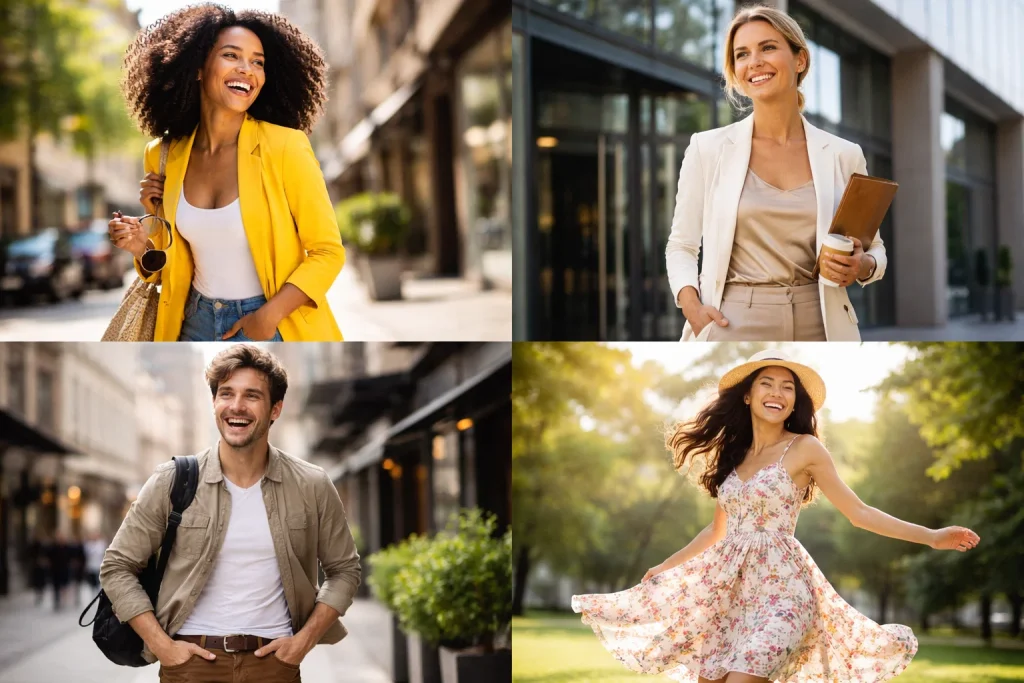
Explore the depths of fashion psychology and discover how your clothing choices play a pivotal role in shaping your mood and confidence. Uncover the hidden psychological power behind fashion and learn how to use clothing as a tool for:
- Self-expression
- Emotional well-being
The Hidden Psychological Power of Clothing
What Fashion Psychology Really Means
Fashion psychology explores how clothing influences various aspects of our lives. It examines the connection between what we wear and its effect on:
- Our mood and behavior
- Our self-perception
Understanding this relationship allows us to leverage fashion to improve our well-being, boosting our mood, confidence, and overall sense of self.
How Clothing Influences Emotions and Self-Perception
Clothing significantly impacts our emotions and self-perception, influencing us in several key ways. Specifically, it affects:
- How we feel.
- How others perceive us.
The clothes we wear can significantly impact our emotional well-being, affecting our self-esteem and confidence. By understanding the psychological effects of clothing, we can make more intentional fashion choices that positively influence our mental state.
Why Mood and Confidence Are Linked to What You Wear
Mood and confidence are intricately linked to what you wear because clothing serves as a form of self-expression and impacts how we feel about ourselves. The act of dressing and choosing clothing can be an act of self-care that positively affects your mood and confidence. By understanding the relationship between clothing and emotional state, you can use fashion to feel empowered and stylish.
The Science Behind Fashion Psychology (Evidence That It Works)
Enclothed Cognition: How Clothes Shape Mental Processes
Enclothed cognition, as highlighted in a 2012 study, describes how clothes shape mental processes. This concept illustrates how wearing clothing with a symbolic meaning affects our psychological processes. For example, wearing a lab coat might enhance focus and attention, while other attire might boost creativity or confidence, influencing our cognitive abilities.
Psychological Studies on Clothing and Behavior
Psychological studies on clothing and behavior consistently demonstrate how different types of clothing affect mood, confidence, and even performance. These studies highlight the impact of fashion choices on our behavior and psychological well-being. The insights gained from these studies support the idea that clothing affects and can be strategically used to enhance our psychological state.
The Brain’s Response to Color, Texture, and Style
The brain responds to color, texture, and style in clothing, triggering various emotional and psychological reactions. Color psychology plays a crucial role, with certain colors evoking specific emotions.
Texture influences comfort and sensory experience, while style contributes to self-expression and confidence. Understanding these responses allows us to use fashion to influence our mood and boost our positivity.
How Clothes Affect Mood (Emotional Impact of Fashion)
Comfort and Emotional Well-Being
Comfort and emotional well-being are closely linked, as comfortable clothing contributes significantly to a positive emotional state. When clothing fits well and feels good against the skin, it reduces stress and enhances overall comfort. Prioritizing comfortable attire can boost your mood and confidence, making you feel more at ease throughout the day.
Color Psychology and Emotional Responses
Color psychology and emotional responses are intertwined, with different colors triggering specific feelings and emotions. For example, bright colors can boost your mood and energy levels, while calming colors promote relaxation. Understanding how color influences emotions allows you to use fashion to create outfits that align with how you want to feel.
The Role of Fit and Fabric in Mood Regulation
The role of fit and fabric in mood regulation cannot be overstated, as both contribute significantly to our emotional state. Clothing that fits well enhances comfort and confidence, while ill-fitting clothes can cause stress and self-consciousness. Choosing fabrics that feel good against the skin promotes relaxation and emotional well-being, supporting a positive outlook.
How Seasonal Fashion Influences Emotional States
Seasonal fashion influences emotional states by reflecting the changing moods and needs of different times of the year. In spring, bright, uplifting styles can boost positivity and energy, while winter calls for cozy, comfort-focused fashion that promotes warmth and security. Embracing seasonal trends allows us to use fashion to enhance our emotional well-being and adapt to environmental changes.
How Clothes Affect Confidence (Self-Perception and Identity)
The Connection Between Appearance and Self-Esteem
The connection between appearance and self-esteem is profound, with clothing affecting how we perceive ourselves and influencing our overall confidence.
When we feel good about our clothing choices, our self-esteem receives a boost, enhancing our self-perception. This positive feedback loop can empower us to make more mindful fashion choices that support our emotional well-being and sense of self.
Power Dressing: How Formal Clothing Boosts Confidence
Power dressing involves wearing attire that conveys authority and professionalism, significantly boosting confidence. Formal clothing, such as suits and structured outfits, can make us feel more competent and in control, enhancing our psychological state.
This sense of empowerment can influence how others perceive us, leading to improved self-expression and more positive social interactions. Understanding the psychology behind fashion can enhance your impression.
Personal Style as Self-Expression
Personal style serves as a powerful form of self-expression, allowing individuals to communicate their identity, values, and mood through fashion choices.
Embracing a personal style that feels authentic can boost your mood and self-esteem, promoting a stronger sense of self. Fashion psychology recognizes the importance of using clothing as a tool for self-expression and emotional well-being.
The Psychological Benefits of Feeling Well-Dressed
The psychological benefits of feeling well-dressed are substantial, positively affecting mood, confidence, and overall emotional state.
When you feel stylish and put-together, your self-perception improves, and you feel more empowered to take on challenges. Understanding the link between clothing and emotional states enables you to use fashion strategically to boost your confidence and enhance your psychological well-being.
Color Psychology in Fashion (How Colors Influence Mood)
Warm Colors and Emotional Energy
Warm colors, such as red, orange, and yellow, evoke feelings of energy, excitement, and optimism, making them excellent choices for boosting your mood. These colors can stimulate emotional responses and create a sense of vitality and enthusiasm. Integrating warm colors into your wardrobe can enhance your psychological state and add a touch of vibrancy to your personal style.
Cool Colors and Calmness
Cool colors, including blue, green, and purple, promote feelings of calmness, serenity, and relaxation, influencing your emotional state positively. These colors can reduce stress and create a sense of peace and tranquility. Incorporating cool colors into your clothing choices can help balance your mood and foster a sense of emotional well-being, understanding the psychology of dressing.
Neutral Colors and Professionalism
Neutral colors, such as black, white, gray, and beige, convey professionalism, sophistication, and versatility. These colors are often associated with a sense of composure and reliability, making them ideal for professional settings. Using neutral colors in your clothing can create a polished and confident impression, enhancing your psychological state and how others perceive you. This relates to the benefits of fashion.
How to Use Color Psychology in Everyday Outfits
To effectively use color psychology in everyday outfits, start by understanding how different colors affect your mood and emotional state.
Experiment with incorporating colors that align with how you want to feel each day, whether it’s wearing a bright color to boost your mood or a calming color to reduce stress. Understanding the psychology behind fashion and impacts of fashion trends can enhance this process and your impression.
Fit and Fabric: The Comfort Factor in Fashion Psychology
Why Ill-Fitting Clothes Can Increase Stress
Ill-fitting clothes can significantly increase stress due to the constant discomfort and self-consciousness they create, which affects your mood negatively. Clothing that is too tight or too loose can be distracting and make you feel less confident and comfortable in your own skin. Choosing clothing that fits well is crucial for maintaining a positive emotional state and enhancing your psychological well-being.
The Psychological Benefits of Comfortable Clothing
The psychological benefits of comfortable clothing are immense, as it promotes relaxation, reduces stress, and enhances overall emotional well-being. When you wear clothing that feels good against your skin and allows you to move freely, your mood improves, and you feel more at ease. Prioritizing comfort in your clothing choices can significantly boost your confidence and sense of self.
Choosing Fabrics That Enhance Emotional Ease
Choosing fabrics that enhance emotional ease involves selecting materials that feel soft, breathable, and gentle against your skin, as clothing affects your mood. Natural fibers like cotton, linen, and silk are often good choices, as they allow for better airflow and reduce the risk of irritation.
By prioritizing comfortable fabrics, you can create a wardrobe that supports your emotional well-being and promotes a positive psychological state; this relates to the psychology of fashion.
Fashion and Identity: How Clothing Reflects Who You Are
Style as a Form of Self-Expression
Personal style is a powerful form of self-expression, allowing you to communicate your identity and values through your clothing choices. Embracing your personal style can boost your mood and self-esteem, enhancing your sense of self. Fashion psychology emphasizes that choosing clothing is an act of self-expression, affecting how you and others perceive you.
The Role of Fashion in Building Personal Identity
Fashion plays a pivotal role in building personal identity by providing a means of self-expression and communicating who you are to the world. The clothing we wear affects how we feel and how others perceive us, shaping our self-perception and confidence. Utilizing fashion trends can enhance this process, reinforcing your sense of self and boosting your mood and confidence.
How Authentic Style Supports Mental Well-Being
Authentic style supports mental well-being by promoting self-acceptance and confidence. When your clothing choices align with your true self, it enhances your self-esteem and reduces anxiety. Using fashion to express your authentic self can positively affect your mood and psychological state, promoting a stronger sense of self and emotional well-being.
Seasonal Fashion and Mood (Why Style Changes Matter)
Spring and Bright, Uplifting Styles
Spring and bright, uplifting styles are important because they reflect the season’s energy and can boost your mood. Wearing vibrant colors and lighter fabrics can enhance feelings of optimism and positivity. Embracing spring fashion trends can align your psychological state with the season, promoting a sense of renewal and enhancing your impression on others.
Winter and Cozy, Comfort-Focused Fashion
Winter and cozy, comfort-focused fashion are essential for promoting emotional well-being during the colder months. Wearing warm, comfortable clothing can provide a sense of security and relaxation, helping to combat feelings of seasonal affective disorder. Prioritizing comfort in your clothing choices can positively affect your mood and psychological state, making you feel more confident.
How Seasonal Style Impacts Emotional Energy
Seasonal style impacts emotional energy by influencing mood and psychological state. Adapting your wardrobe to reflect the changing seasons can boost your mood and energy levels. Embracing seasonal fashion trends can align your clothing choices with your environment, enhancing your self-expression and sense of self, thereby improving your overall psychological well-being.
Fashion Psychology in Professional and Social Settings
How Workwear Affects Productivity and Confidence
Workwear affects productivity and confidence by influencing your mindset and how you perceive yourself at work. Choosing professional attire can boost your mood, enhance your self-esteem, and increase your sense of competence. Using clothing strategically in the workplace can enhance your productivity and overall job satisfaction, also making a positive impression.
Social Perception and First Impressions
Clothing significantly influences social perception and first impressions, affecting how others perceive you. Your clothing choices communicate your personality, values, and mood, shaping initial judgments and expectations. Understanding the psychology behind fashion and the effects of clothing can help you make intentional choices that enhance your impression and promote positive social interactions.
Clothing as Nonverbal Communication
Clothing serves as a form of nonverbal communication, conveying messages about your identity, status, and mood without saying a word. The clothes we wear affect how others perceive us and can influence our social interactions. Using fashion to communicate effectively can enhance your self-expression and promote a stronger sense of self, enhancing your impression.
Practical Tips: Using Fashion to Boost Mood and Confidence
Dress for the Mood You Want, Not Just the Mood You Have
Dress for the mood you want, not just the mood you have, by choosing clothing that evokes the emotions you desire. If you’re feeling low, opt for bright colors or comfortable attire that can boost your mood. Understanding how clothing affects your mood can empower you to use fashion as a tool for emotional well-being and self-expression.
Build a Wardrobe That Feels Authentic
Build a wardrobe that feels authentic by selecting clothing that reflects your personal style and values. When your clothing choices align with your true self, it enhances your self-esteem and confidence. Investing in a wardrobe that feels genuine can promote a stronger sense of self and improve your overall psychological state, as clothing affects how you feel.
Prioritize Comfort Without Sacrificing Style
Prioritize comfort without sacrificing style by choosing clothing that fits well and feels good against your skin. Comfortable attire can reduce stress and enhance emotional well-being, while stylish pieces can boost your mood and confidence. Balancing comfort and style can create a wardrobe that supports both your physical and psychological needs, supporting the psychology of dressing.
Use Color and Accessories for Emotional Expression
Use color and accessories for emotional expression by incorporating elements that reflect your mood and personality. Bright colors can boost your mood and energy, while accessories can add a touch of self-expression and style. Understanding the psychology of fashion and how clothing affects your mood can help you use color and accessories intentionally to enhance your emotional well-being and overall sense of self.
Common Misconceptions About Fashion Psychology
Clothes Don’t Define Worth (But They Influence Feelings)
A common misconception is that clothes define worth, but fashion psychology emphasizes that they influence feelings. While clothing affects how we perceive ourselves and others, it doesn’t determine our inherent value. Understanding the psychology of fashion helps us use clothing to boost our mood without tying our self-esteem solely to our attire, promoting mental well-being.
Fashion Is Personal, Not Universal
Another misconception is that fashion is universal, but fashion psychology highlights that it is intensely personal. What boosts one person’s mood and confidence may not work for another. Recognizing the subjective nature of personal style encourages self-expression and choosing clothing that resonates with your individual sense of self, aligning with your authentic expression and improving psychological state.
Confidence Comes from Mindset and Self-Acceptance
Many believe that fashion alone can create confidence, but fashion psychology clarifies that true confidence stems from mindset and self-acceptance. While the clothes we wear can enhance our mood and self-perception, inner confidence is rooted in self-esteem. Using fashion to complement a positive mindset can further boost your mood and create a more lasting sense of empowerment.
Fashion Psychology and Mental Health (A Balanced Perspective)
Clothing as a Support Tool, Not a Solution
Fashion psychology views clothing as a support tool for mental health, not a sole solution. While the clothes we wear can boost our mood and confidence, they cannot replace professional mental health care. Understanding this distinction allows us to use fashion as a complement to other strategies for managing emotional well-being, thereby enhancing your impression.
How Style Can Complement Mental Well-Being
Style can complement mental well-being by promoting self-expression and enhancing self-esteem. The act of choosing clothing that reflects your personal style can boost your mood and create a stronger sense of self. Embracing fashion as a form of self-care can positively affect your psychological state and contribute to overall mental wellness, this relates to benefits of fashion.
Conclusion: Fashion as a Tool for Mood and Confidence
In conclusion, fashion psychology reveals that clothing is a powerful tool for influencing mood and confidence. By understanding how clothing affects our emotions and self-perception, we can use fashion trends intentionally to enhance our psychological state. Embracing fashion as a form of self-expression and self-care can promote emotional well-being and improve our overall sense of self.