


How Free Time Is Becoming More Mindful And Less Busy
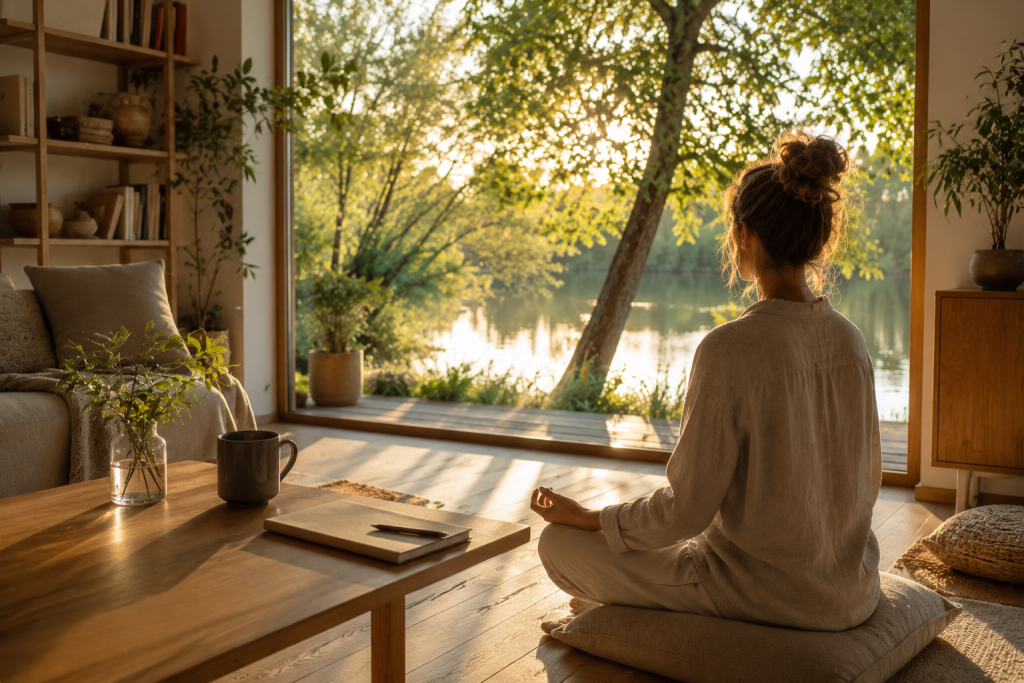
In an increasingly fast-paced world, our approach to free time is undergoing a significant transformation. This article explores the evolving landscape of leisure, moving away from a constant state of busyness towards a more mindful and intentional engagement with our non-working hours.
The Shift From Busy Leisure to Mindful Free Time
The contemporary global society is witnessing a pronounced shift in how people spend their time outside of work, moving from a culture of perpetual busyness during leisure to one that prioritizes mindful free time.
This evolving relationship with non-productive hours reflects a deeper societal trend, where individuals are actively seeking more intentional and fulfilling ways to engage with their 24 hours per day, rather than simply filling them with endless tasks or passive consumption.
Why Traditional “Always Busy” Free Time Is Fading
The traditional notion that successful people are always busy, even during their leisure time, is gradually fading, as people across various demographics begin to question the long-term impact of constant activity.
For decades, economic and social pressures encouraged individuals to view every moment, including free time, as an opportunity for productivity or a chore to be completed, leading to an over-scheduled existence where the pursuit of relaxation often felt like another task to manage, rather than genuine enjoyment.
The Rise of Intentional Living and Slow Lifestyle Culture
Against this backdrop, there is a clear trend towards intentional living and the adoption of a slow lifestyle culture, which fundamentally reshapes how people spend their time. This movement emphasizes the importance of making conscious choices about leisure activities, moving away from the previous compulsion to always be “doing something” and instead prioritizing activities that genuinely boost well-being and offer a sense of presence, rather than just filling a gap in the day or chasing an elusive sense of productivity.
What Does Mindful Free Time Actually Mean?
Mindful free time represents a conscious approach to leisure, where individuals intentionally engage in activities that foster presence, relaxation, and personal enrichment, rather than merely escaping boredom or passively consuming entertainment.
Definition of Mindful vs Busy Free Time
Mindful free time distinguishes itself from busy free time by its emphasis on conscious engagement and awareness. Rather than simply filling every available moment, mindful free time encourages intentional selection of leisure activities. This approach offers several benefits, fostering a better work-life balance and a stronger sense of purpose beyond paid work.
| Type of Free Time | Characteristics |
|---|---|
| Mindful Free Time | Conscious engagement, intentional selection of activities for genuine rest, personal growth, or deep enjoyment. |
| Busy Free Time | Constant stream of tasks, social engagements, or entertainment designed to keep one occupied. |
From Entertainment Overload to Conscious Relaxation
The shift from an entertainment overload to conscious relaxation signifies a pivotal change in how people choose to spend their time, moving away from a passive consumption of media or endless scrolling on digital mediums.
Instead of mindlessly watching a movie or playing video games for hours, conscious relaxation involves selecting activities that truly rejuvenate the mind and body, promoting a deeper sense of contentment and reduced digital fatigue, an insight that researchers are increasingly exploring. These activities include:
- Reading
- Spending time in nature
- Engaging in hobbies
Why Awareness Matters in How We Spend Time
Awareness plays a critical role in shaping how we spend our time, as it enables individuals to make deliberate choices that align with their personal values and well-being goals, rather than falling into habitual or externally imposed patterns.
By cultivating awareness, people across various countries, from Italy to Mexico and Greece, can identify which leisure activities genuinely contribute to their happiness and reduce stress, thereby fostering a more balanced and fulfilling life rather than simply trying to “make every moment productive,” an outdated notion that often leads to burnout for workers.
Why People Are Rejecting Busy Free Time Culture
People are increasingly rejecting the pervasive busy free time culture due to a growing recognition of its detrimental effects on mental health, personal well-being, and overall life satisfaction in a global context.
Digital Fatigue and Constant Stimulation Overload
Digital fatigue and the constant stimulation overload from an always-on world are primary drivers behind people’s rejection of busy free time culture, as the relentless demands of screens and notifications erode genuine rest.
This omnipresent digital environment means that many individuals find themselves unable to truly relax or disengage, leading to a pervasive sense of exhaustion even during their designated free time, further exacerbated by the pressure to constantly be connected and engage with every new piece of information or social media update.
Burnout From Over-Scheduled Social Lives
Burnout resulting from over-scheduled social lives is another significant factor contributing to the decline of busy leisure, as the expectation to constantly socialize and attend numerous events becomes less about enjoyment and more of a chore.
This phenomenon often leads people to prioritize quantity over quality in their social interactions, feeling obligated to participate rather than genuinely wanting to, thereby blurring the boundary between leisure and obligation and preventing true relaxation, an issue reported by individuals from various nations.
The Pressure to “Make Every Moment Productive”
The ingrained societal pressure to “make every moment productive,” even outside of paid work, has proven to be counterproductive for general well-being, leading many to reject the busy free time culture.
This mindset often transforms leisure activities into another set of tasks to optimize or another opportunity to learn new skills, robbing individuals of the spontaneous enjoyment and unstructured time that are crucial for mental rest and emotional recovery, thus creating a cycle of perpetual striving that diminishes happiness and true leisure, as evidenced by time use research.
The Rise of Mindful Leisure Activities
As the tide turns against constant busyness, there’s a noticeable increase in the adoption of mindful leisure activities that prioritize intentionality, presence, and genuine well-being over mere distraction or external validation.
Walking, Nature Time, and Outdoor Slow Activities
Walking, spending time in nature, and engaging in various outdoor slow activities are becoming increasingly popular forms of mindful leisure, offering a much-needed respite from the demands of modern life.
These activities encourage individuals to engage with their surroundings, fostering a sense of presence and connection that is often lost in fast-paced urban environments. Research suggests that spending time in natural settings provides several key benefits:
- Significantly reduces stress and boosts mood.
- Offers a powerful counterbalance to digital fatigue and the pressures of productivity.
- Helps people to truly relax and disconnect from work-related tasks, thereby investing in their long-term health and general well-being.
Reading, Journaling, and Quiet Creative Hobbies
Reading, journaling, and embracing quiet creative hobbies represent another significant aspect of the rise in mindful leisure, allowing individuals to engage in activities that nourish their inner world and provide a calm escape.
Unlike passive entertainment, these pursuits demand focused attention and often lead to a sense of accomplishment and self-expression, without the external pressure to be productive in a traditional sense. Many find that dedicating time to reading a book, writing in a journal, or pursuing a craft provides a deeper sense of satisfaction and mental clarity than endless scrolling through social media, thereby helping them to efficiently manage their cognitive load and foster a more balanced daily routine.
Meditation, Breathwork, and Mental Reset Practices
Meditation, breathwork, and various mental reset practices are rapidly gaining traction as essential components of mindful free time, underscoring a collective desire to cultivate inner peace and improve mental well-being. These practices offer profound benefits for stress reduction, emotional regulation, and enhancing focus, providing a direct antidote to the constant stimulation and overthinking prevalent in contemporary society.
By intentionally setting aside time to engage in these activities, people are actively investing in their psychological health, learning to create mental boundaries, and fostering a deeper awareness of their internal states, which ultimately helps them to better navigate their daily lives and experience more consistent enjoyment, even within their busy schedules, moving beyond just consuming entertainment to actively improving themselves, a trend observed in countries like Spain and Italy according to recent reports.
How Technology Is Changing Free Time Behavior
Technology, once seen primarily as a driver of constant connectivity and accelerated lifestyles, is now undergoing a nuanced transformation in how it influences our free time. There’s a growing awareness of its dual nature, leading many to seek a more intentional and balanced relationship with digital tools.
Social Media and the End of Passive Scrolling Habits
The prevalence of social media has significantly shaped how people spend their free time, but there’s a discernible shift away from passive scrolling habits towards a more conscious engagement with these platforms, or a complete disengagement.
Individuals are becoming more aware of the psychological impact of endless feeds, recognizing that mindless consumption often leads to feelings of inadequacy, digital fatigue, and a reduced sense of genuine leisure.
This growing insight into the potential downsides is leading many to re-evaluate their relationship with social media, choosing to spend their time more purposefully online or offline, thereby seeking a better balance in their daily routines and promoting general well-being rather than just consuming entertainment.
Digital Detox Trends and Screen-Time Awareness
Digital detox trends and an increased screen-time awareness are becoming integral components of how people manage their free time, reflecting a collective effort to reclaim moments of stillness from constant digital stimulation.
More and more people across various demographics are intentionally scheduling periods away from their devices, recognizing the importance of disconnecting to truly relax and rejuvenate.
This proactive approach helps to reset their relationship with technology, allowing them to engage in other leisure activities without the constant interruption of notifications, thus fostering a deeper sense of presence and enhancing their ability to efficiently spend their time on pursuits that genuinely boost their happiness and mental clarity, a trend gaining traction globally.
Apps That Encourage Mindfulness and Rest
Paradoxically, technology itself is also offering solutions for mindful free time through the rise of apps that encourage mindfulness and rest, illustrating how digital tools can be leveraged for well-being.
These applications provide guided meditations, breathwork exercises, sleep aids, and tools for tracking screen time or promoting digital detoxes, effectively transforming what was once a source of distraction into a means for conscious relaxation.
By using these apps, individuals can intentionally invest in their mental health and cultivate a more balanced approach to their 24 hours per day, proving that technology, when used purposefully, can be a valuable ally in the quest for meaningful leisure and improved general well-being, helping people across all walks of life.
The Psychology Behind Mindful Free Time
Understanding the psychology behind mindful free time reveals the profound neurological and emotional benefits derived from intentional rest and disengagement from constant stimulation. This section explores how our brains truly thrive when given opportunities for stillness and balanced dopamine regulation.
How the Brain Responds to Rest and Stillness
The brain responds profoundly to rest and stillness, utilizing these periods not for idleness, but for crucial processes like memory consolidation, emotional regulation, and creative problem-solving, which are vital for overall mental health.
When people spend their time in genuine relaxation, free from external demands, the default mode network becomes active, allowing for introspection and the integration of experiences.
This kind of mindful free time is essential for preventing burnout and maintaining cognitive function, as it provides the necessary respite for the brain to reorganize and recover, ultimately enabling individuals to be more productive and focused during their paid work and other essential tasks.
Why Overstimulation Reduces Happiness and Focus
Overstimulation, a common byproduct of an always-on global society, significantly reduces both happiness and focus by constantly engaging our fight-or-flight responses and overwhelming our cognitive processing abilities.
When people spend their time in environments filled with constant digital noise, multitasking, and relentless information flow, the brain struggles to filter out irrelevant stimuli, leading to mental fatigue and diminished capacity for deep concentration.
This continuous state of arousal prevents genuine relaxation and undermines the ability to enjoy leisure activities, eroding the general well-being of individuals and making it harder for successful people to truly unwind, regardless of their daily schedules or the amount of free time they might ostensibly have.
The Role of Dopamine Balance in Leisure Habits
The role of dopamine balance is critical in shaping our leisure habits and overall satisfaction with how we spend our time, as this neurotransmitter influences our motivation, reward system, and ability to feel pleasure.
Constant engagement with highly stimulating activities, such as endless social media scrolling or fast-paced video games, can lead to a dopamine imbalance, where the brain becomes accustomed to rapid, intense rewards.
This can make less stimulating but ultimately more fulfilling mindful leisure activities, such as reading or nature walks, seem less appealing, impacting our ability to truly relax and find enjoyment. Restoring this balance is key to ensuring that people can genuinely benefit from their free time, contributing to long-term happiness and a healthier relationship with their leisure.
From Busy Entertainment to Intentional Enjoyment
The transition from a culture of busy entertainment to one of intentional enjoyment marks a significant shift in how individuals perceive and utilize their free time. This evolving perspective prioritizes meaningful experiences over mere consumption or endless activity.
Why People Are Choosing Fewer but Better Activities
People are increasingly choosing fewer but better activities for their free time, reflecting a growing desire for quality over quantity in their leisure pursuits. This intentional approach stems from the realization that constantly engaging in numerous superficial activities often leaves one feeling unfulfilled and still busy, rather than genuinely relaxed or rejuvenated.
By carefully selecting leisure activities that align with their personal values and bring true joy, individuals can maximize the positive impact of their non-working hours, ensuring that each moment spent is meaningful and contributes to their overall general well-being, rather than just filling a gap or escaping boredom, leading to a more profound sense of enjoyment and purpose.
Quality Over Quantity in Leisure Choices
The emphasis on quality over quantity in leisure choices signifies a fundamental recalibration of priorities for how people spend their time, moving away from a mindset of accumulation towards one of meaningful engagement. Instead of trying to pack every available moment with an activity or consume the latest entertainment, individuals are now prioritizing experiences that offer deeper satisfaction, personal growth, or genuine connection.
This shift impacts everything from social gatherings, where people prefer intimate, meaningful interactions, to personal hobbies, where immersion in a craft or a book is valued more than passively watching a movie, thereby enhancing the enjoyment and impact of their free time.
The Shift From Consumption to Experience-Based Living
The profound shift from consumption to experience-based living is redefining how people view and spend their free time, signaling a movement away from material acquisition towards richer, more memorable life moments.
This trend highlights a growing awareness that true happiness and fulfillment often come from shared experiences, personal challenges, and engaging with the world, rather than from buying more goods or passively consuming digital media.
This change encourages individuals to invest in activities like travel, learning new skills, or spending time in nature, which offer lasting enjoyment and contribute significantly to their personal growth and a broader understanding of the world, fostering a more mindful approach to leisure and life in general.
The Role of Mental Health in This Lifestyle Shift
The increasing focus on mental health is a primary catalyst behind the lifestyle shift towards mindful free time, as individuals recognize the crucial link between intentional rest and psychological well-being. This section delves into how purposeful leisure supports emotional recovery and prevents burnout.
Stress Reduction and Emotional Recovery in Free Time
Stress reduction and emotional recovery are paramount drivers for the adoption of mindful free time, as people increasingly understand that genuine leisure is essential for maintaining psychological equilibrium in a demanding world.
Allowing oneself unstructured time to relax, engage in hobbies, or simply be still offers a vital opportunity for the mind and body to reset, process emotions, and recover from the daily pressures of work and life.
This intentional allocation of time for emotional recuperation helps to prevent chronic stress and promotes a more resilient mental state, ensuring that people can truly invest in their long-term health and general well-being rather than just coping with daily stressors.
Preventing Burnout Through Restful Activities
Preventing burnout through restful activities is a key motivator behind the embrace of mindful free time, as individuals realize that constant busyness, even during leisure, can lead to exhaustion and a diminished capacity for paid work.
By prioritizing genuinely restorative activities that allow the mind to disengage from productivity pressures and external demands, people create a necessary boundary between work and personal life.
This intentional approach to leisure helps to replenish mental and emotional resources, ensuring that successful people can sustain their energy and focus without succumbing to the overwhelming fatigue and detachment associated with burnout, allowing them to spend their time more effectively in all aspects of their lives.
Building Emotional Balance Through Slow Moments
Building emotional balance through slow moments is a fundamental aspect of mindful free time, recognizing that stillness and unhurried engagement are crucial for emotional regulation and inner peace.
In a world characterized by rapid change and constant stimulation, dedicating time to quiet reflection, gentle activities, or simply observing one’s surroundings allows for a deeper connection with internal states and a greater sense of calm.
These deliberate pauses contribute significantly to emotional resilience, helping individuals to process thoughts and feelings without immediate pressure, thereby fostering a more stable and harmonious emotional landscape, allowing them to more efficiently navigate their 24 hours per day and improve their general well-being.
How Social Trends Are Redefining Free Time
Social trends are playing a powerful role in redefining how we perceive and utilize free time, shifting collective values towards well-being, authenticity, and a more deliberate pace of life. This section explores influential movements that encourage a mindful approach to leisure.
The Influence of Slow Living and Minimalism
The growing influence of slow living and minimalism is profoundly redefining how people spend their free time, encouraging a deliberate reduction of commitments and possessions to create more space for meaningful experiences.
The slow living movement advocates for a more conscious approach to daily life, including leisure, urging individuals to savor moments and engage deeply with fewer, more enriching activities rather than constantly being busy.
Similarly, minimalism promotes decluttering not just physical spaces but also schedules, freeing up valuable time and mental energy that people can then invest in activities that truly contribute to their general well-being and sense of purpose, moving away from a consumerist mindset to focus on quality of life.
Wellness Culture and Energy-Aware Living
Wellness culture and the increasing emphasis on energy-aware living are significant social trends that are reshaping how people approach their free time, prioritizing personal health and sustainable self-care over constant activity.
This movement encourages individuals to listen to their bodies and minds, choosing leisure activities that genuinely replenish their energy reserves rather than depleting them, even if those activities are not conventionally productive.
The focus is on holistic well-being, meaning that choices about how to spend your time are made with an awareness of their impact on physical, mental, and emotional health, leading to a shift towards restful activities, mindful movement, and conscious relaxation as essential components of a balanced life.
Decline of Over-Scheduled Social Expectations
The decline of over-scheduled social expectations is another key social trend influencing how people spend their free time, as there’s a growing collective recognition that constant social engagements can be as exhausting as work.
The pressure to always be “on” socially, attending numerous events and maintaining a packed social calendar, is giving way to a preference for more authentic, fewer, but deeper connections and more unstructured personal time.
This shift allows individuals to reclaim their evenings and weekends for genuine relaxation, quiet hobbies, or spending time with loved ones without the obligation of constant performance, fostering a healthier work-life balance and boosting general well-being, a change increasingly observed in various countries, as people prioritize their own peace over societal pressures to be constantly outgoing, allowing for more intentional engagement with their leisure.
Benefits of Mindful Free Time
Embracing mindful free time offers a myriad of benefits that significantly enhance overall well-being, moving beyond mere relaxation to genuinely enrich one’s life. This approach to leisure is proving to be a powerful antidote to the relentless pace of modern society, fostering improvements across mental, emotional, and even physical domains.
Improved Focus, Creativity, and Mental Clarity
Mindful free time significantly contributes to improved focus, creativity, and mental clarity by allowing the brain essential periods of rest and unstructured engagement, vital for successful people in any field.
When people spend their time consciously disengaged from constant stimulation and the pressures of paid work, their minds have the opportunity to consolidate memories, process information, and wander freely.
This allows for new connections to form, enhancing problem-solving abilities and fostering innovative thinking, ultimately boosting productivity and the general well-being of the worker, helping them to more efficiently engage with tasks when they return to them.
Better Sleep and Reduced Anxiety
One of the most profound benefits of mindful free time is better sleep and reduced anxiety, as it directly addresses the overstimulation and stress that often plague modern individuals.
By intentionally choosing leisure activities that promote relaxation and mental calm, such as reading, meditation, or spending time in nature, people can lower their cortisol levels and improve their sleep hygiene.
This reduction in anxious thoughts and the establishment of a more peaceful pre-sleep routine ensure that the body and mind can truly rest and rejuvenate, leading to more consistent and restorative sleep, which is critical for long-term health and the ability to efficiently manage the demands of their 24 hours per day.
Stronger Sense of Life Satisfaction
Cultivating mindful free time leads to a stronger sense of life satisfaction because it encourages individuals to align how they spend their time with their personal values and needs, rather than external pressures.
When people consciously choose leisure activities that bring genuine enjoyment, foster personal growth, or strengthen relationships, they experience a deeper sense of fulfillment and purpose.
This intentional investment in one’s general well-being, moving beyond just consuming entertainment or always being busy, leads to a more balanced and meaningful existence, ultimately making people happier with their lives as a whole, an insight supported by time use research and studies on positive psychology, where individuals in countries like Italy and Spain report higher satisfaction with more intentional leisure.
Common Mistakes in Trying to “Be Mindful”
While the intention behind embracing mindful free time is commendable, many individuals inadvertently fall into common traps that undermine its very purpose. Understanding these pitfalls is crucial for genuinely integrating mindfulness into leisure without turning it into another source of stress or expectation.
Turning Mindfulness Into Another Task
A frequent mistake in attempting to “be mindful” during free time is inadvertently turning mindfulness itself into another demanding task or chore, negating its intended benefits. The pressure to perfectly meditate, engage in ‘correct’ relaxation activities, or achieve an ideal state of presence can transform leisure into another item on a to-do list, generating stress rather than alleviating it.
This approach defeats the purpose of mindful free time, as it reintroduces the very productivity mindset that people are trying to escape, preventing genuine relaxation and making it harder for individuals to truly enjoy their chosen leisure activities, thereby impacting their overall general well-being rather than boosting it.
Over-Structuring Rest and Relaxation
Over-structuring rest and relaxation is another common pitfall, where people attempt to schedule every moment of their free time, even their downtime, with a predefined “mindful activity,” thereby stripping leisure of its spontaneity and true restorative power.
The belief that one must always be engaged in a specific, beneficial activity, even during leisure time, can turn relaxation into a rigid obligation rather than a flexible opportunity for genuine enjoyment. This rigidity undermines the very essence of mindful free time, which often thrives on unstructured moments and the freedom to simply be, without the pressure of a packed schedule or the need to always be productive, hindering the capacity to efficiently let go and truly recharge.
Confusing Stillness With Laziness
A significant barrier to embracing mindful free time is the pervasive societal tendency to confuse stillness with laziness, leading many successful people to feel guilty about genuinely resting or engaging in non-productive activities. In a culture that often equates constant busyness with worth and achievement, taking time for quiet contemplation, simply sitting, or allowing the mind to wander can be perceived as unproductive or a waste of valuable 24 hours per day.
This misconception prevents individuals from fully investing in the profound benefits of true rest, impacting their ability to fully relax and replenish their mental and emotional resources, thereby hindering their general well-being and making it more challenging to truly spend their time in a way that nourishes them.
How to Practice Mindful Free Time Daily
Implementing mindful free time into daily life doesn’t require drastic changes but rather a series of intentional shifts in perspective and habits. The goal is to cultivate a more balanced and fulfilling relationship with your non-working hours, enhancing overall life satisfaction.
Creating Simple, Low-Pressure Leisure Habits
To effectively practice mindful free time daily, it is essential to focus on creating simple, low-pressure leisure habits that are easily integrated into one’s 24 hours per day and don’t feel like another chore. This means choosing activities that genuinely bring joy and relaxation without demanding extensive planning, resources, or performance.
For instance, a short walk in a park, listening to a favorite album, or dedicating ten minutes to quiet reading can be highly effective. The key is to remove any self-imposed pressure for these activities to be “productive” or “perfect,” allowing people to simply enjoy the moment and experience true conscious relaxation, which ultimately contributes to better work-life balance and general well-being, helping them to efficiently manage their daily schedule.
Reducing Digital Noise and Distractions
A crucial step in practicing mindful free time daily involves actively reducing digital noise and distractions, which constantly pull our attention away from present moments and genuine leisure activities. This could mean setting specific times for checking emails or social media, turning off non-essential notifications, or designating certain periods as screen-free.
By creating intentional boundaries with digital mediums, people can reclaim their focus and mental space, allowing them to fully engage with chosen activities like reading a book or spending time with loved ones without constant interruption.
This awareness helps to combat digital fatigue and fosters a deeper, more intentional way to spend their time, boosting enjoyment and mental clarity, a trend observed globally, with more individuals adopting practices like digital detoxes.
Learning to Enjoy Unstructured Time
Learning to enjoy unstructured time is fundamental to embracing mindful free time daily, as it counteracts the ingrained societal pressure to always be busy and productive, even during leisure. This involves letting go of the need to fill every moment with a scheduled activity and instead allowing for spontaneity, rest, and simply “being.”
It could mean sitting quietly, observing nature, or allowing oneself to daydream without guilt. This practice helps to reset the brain, reduce the constant need for external stimulation, and fosters a deeper connection with one’s inner self, allowing people to truly relax and find genuine enjoyment in the quiet moments of their day, which is vital for long-term general well-being and prevents the feeling of being perpetually overwhelmed, as even successful people need moments of unscripted stillness to maintain their emotional balance.
The Future of Free Time Culture
The trajectory of free time culture is clearly leaning towards a more conscious, intentional approach, where well-being takes precedence over relentless busyness. This evolution reflects a deeper societal shift in values and priorities, driven by a collective desire for a more balanced and fulfilling life.
Why Mindful Living Will Keep Growing
Mindful living will continue to grow as a dominant force in free time culture because its benefits for mental health, personal fulfillment, and overall general well-being are becoming increasingly undeniable in a global society.
As people across various demographics grapple with digital fatigue, burnout from over-scheduled lives, and the pressure to always be productive, the appeal of intentional rest and conscious engagement will only strengthen.
This enduring trend is not just a fleeting fad but a fundamental recalibration of what constitutes a rich and meaningful life, recognizing that true enjoyment and happiness often come from how one chooses to spend their time rather than how much they accumulate, thereby fostering a more sustainable and satisfying approach to daily living, allowing people to feel more in control of their 24 hours per day.
The Shift Toward Emotional and Mental Well-Being First
The future of free time culture will be characterized by a profound shift toward prioritizing emotional and mental well-being first, moving beyond the traditional emphasis on material success or constant external achievement.
This means that decisions about how to spend your time will be increasingly guided by what genuinely nourishes the mind and soul, rather than what looks good on a resume or social media. Leisure activities will be chosen for their restorative qualities, their ability to reduce stress, and their contribution to inner peace, ensuring that people are investing in their long-term health and happiness.
This awareness will lead to a more balanced approach to life, where the pursuit of psychological equilibrium is as valued as professional advancement, leading to more resilient and successful people in all facets of life, fostering a profound sense of enjoyment and purpose.
Final Thoughts on Balanced, Intentional Leisure
The journey towards a more mindful and less busy approach to free time is not just a personal endeavor but a collective cultural evolution. It signifies a profound re-evaluation of what truly constitutes a rich and fulfilling life, urging us to step away from the relentless pursuit of productivity and embrace the profound power of intentional leisure.
By prioritizing conscious relaxation, reducing digital noise, and learning to cherish unstructured moments, we can cultivate a deeper sense of general well-being, enhance our creativity, and ultimately live happier, more balanced lives. The future of free time is not about doing more, but about doing what truly matters for our emotional and mental health, ensuring that every moment, whether busy or still, contributes positively to our overall existence.