


How To Create The Best Bedroom For Your Toddler: A Complete Parent’s Guide
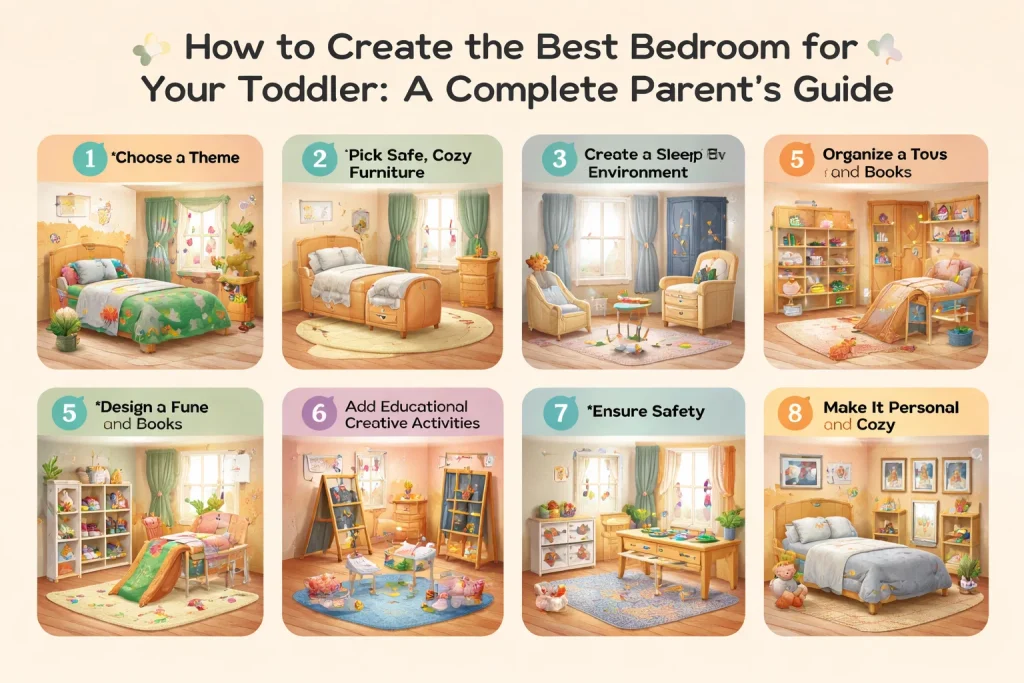
Creating the perfect toddler bedroom is a journey filled with exciting choices and important considerations. As parents and kids transition from a nursery to a more grown-up space, this guide provides essential design tips and room ideas to ensure your little ones have a sleep-friendly, safe, and stimulating environment.
Why Your Toddler’s Bedroom Matters More Than You Think
The toddler’s room is more than just a place to sleep; it’s a crucial environment for growth, learning, and developing independence. It influences their mood, behavior, and even their quality of sleep.
The Connection Between Bedroom Design and Toddler Sleep Quality
A well-thought-out bedroom design plays a pivotal role in ensuring your toddler gets adequate rest. Factors like lighting, color, and clutter can significantly impact their ability to fall asleep and stay asleep throughout the night.
How a Well-Designed Room Encourages Independence and Learning
An effectively designed toddler room fosters independence by providing easy access to toys, a bookshelf, and clothes. This setup encourages little ones to make choices and develop a sense of self-reliance within their personal space.
Common Mistakes Parents Make When Designing Toddler Rooms
Many parents unintentionally create spaces that are overstimulating or unsafe. Common errors include excessive room decor, neglecting safety hazards, and failing to incorporate practical storage solutions for a smaller bedroom.
The Core Principles of a Toddler-Friendly Bedroom
Designing a toddler-friendly space requires balancing several key principles. It’s important to keep the following elements in mind as you transform your nursery into a toddler room or create a new bedroom:
- Safety
- Comfort
- Simplicity
- Durability
Safety First: Non-Negotiable Rules Every Parent Should Follow
Safety is paramount in a child’s room. Secure furniture, cover electrical outlets, and eliminate any potential hazards to create a worry-free environment where your toddler can explore and play without constant supervision.
Comfort and Sleep Psychology (Why Design Impacts Rest)
The design of the child’s bedroom significantly impacts sleep. Comfortable bedding, calming colors, and a noise-reduced environment all contribute to a better night’s rest, supporting the toddler’s physical and mental well-being.
Simplicity Over Overstimulation (Avoiding Visual Clutter)
A minimalist approach is often best for room design. Reducing visual clutter and excessive room decor helps create a calming atmosphere that supports relaxation and reduces anxiety in little ones.
Durability and Practical Materials for Toddler Life
Opt for durable furniture and easy-to-clean materials to withstand the wear and tear of toddler life. Choose fabrics and finishes that are resilient and can handle spills, stains, and constant use, especially in a shared kids space.
Toddler Bedroom Safety Essentials (The Most Important Section)
Creating a safe toddler’s room is the most crucial aspect of the design process. Prioritizing safety measures will give you peace of mind and allow your child’s bedroom to be a secure and nurturing environment.
Furniture Safety: Low Beds and Wall Anchoring
To enhance the safety of your children’s room, it’s crucial to secure furniture. This includes:
- Dresser
- Bookshelf
- Chest of drawers
All of these items should be securely attached to the wall to prevent them from tipping. Additionally, consider using low beds to minimize the risk of falls, ensuring your little ones are safe in their space.
Choking and Strangulation Hazards (What to Avoid)
Eliminate small objects that could pose a choking hazard and ensure that cords from blinds and curtains are out of reach. Regular checks for potential dangers are essential in a toddler’s environment.
Non-Toxic Materials and Child-Safe Paints
Choose non-toxic materials and child-safe paints for all surfaces in the toddler room. These precautions reduce the risk of exposure to harmful chemicals, ensuring a healthy environment for your child’s developing immune system.
Corner Guards and Non-Slip Flooring Solutions
Install corner guards on sharp edges of furniture to prevent injuries, and use non-slip flooring solutions, such as a secure rug or carpet, to minimize the risk of slips and falls in the new room.
Cordless Blinds and Safe Window Treatments
Opt for cordless blinds or other safe window treatments to eliminate strangulation hazards. Ensure that any window coverings are securely installed and out of reach of your toddler’s inquisitive hands.
Choosing the Perfect Toddler Bed
Selecting the right toddler bed is a significant step in transitioning from a crib. Consider factors such as safety, comfort, and your child’s developmental stage to make the best choice for their needs and your room needs.
Low Beds vs. Floor Beds: Pros and Cons
Low beds offer a safe transition from the crib, while floor beds provide even greater accessibility and freedom. Evaluate the pros and cons of each to determine which option best suits your child’s needs and your layout.
Safety Rails and Sleep Independence
Safety rails can provide added security for a toddler bed, preventing falls during the night. As your child gains confidence, gradually transition away from the rails to promote sleep independence and self-reliance in the new bedroom.
Mattress Selection for Comfort and Support
Choose a firm mattress that provides adequate support for your toddler’s growing body. A high-quality mattress is essential for promoting healthy sleep habits and ensuring they get a comfortable night’s sleep.
Bedding Tips (Breathable and Toddler-Friendly Materials)
Select bedding made from breathable, toddler-friendly materials, such as cotton or bamboo. These fabrics are gentle on sensitive skin, easy to clean, and help regulate body temperature for optimal comfort in the child’s room.
Designing a Sleep-Friendly Environment
Creating a sleep-friendly toddler room is essential for ensuring your toddler gets the rest they need. This involves careful consideration of various environmental factors, including lighting, temperature, and noise levels, to foster a conducive bedroom design for a good night’s sleep.
Lighting Psychology: Night Lights and Warm Tones
Use soft, warm-toned lighting and a dim night light to create a calming atmosphere in the toddler room. Avoid bright, stimulating lights that can interfere with their natural sleep patterns in the bedroom design.
Blackout Curtains for Better Sleep
Install blackout curtains to block out external light and create a dark, sleep-conducive environment. This is especially helpful during daylight saving time or in areas with high ambient light pollution in the child’s room.
Temperature and Air Quality Considerations
Maintain a comfortable temperature and ensure good air quality in the toddler room. Use an air purifier to remove allergens and pollutants, and keep the room at a cool, consistent temperature of the child’s room.
Noise Reduction Strategies
Implement noise reduction strategies, such as using thick rugs, soundproof curtains, or a white noise machine, to minimize disruptions and create a peaceful sleep environment in the bedroom for little ones.
Storage Solutions That Work (And Teach Responsibility)
Effective storage solutions are crucial for maintaining an organized and functional toddler room. By implementing systems that are easy for little ones to use, you can also teach them valuable responsibility skills and promote independence in the smaller bedroom.
Open Shelving vs. Closed Storage
Consider a mix of open shelving and closed storage to accommodate different types of items. Open shelving is great for displaying a bookshelf and frequently used toys, while closed storage helps conceal clutter in the toddler room.
Toy Organization Systems That Encourage Cleanup
Implement a toy organization system using labeled baskets, bins, or cubbies to encourage little ones to clean up after themselves. Make it a game by assigning specific spots for each type of toy in the child’s room.
Multi-Functional Furniture for Small Rooms
Opt for multi-functional furniture to maximize space and storage in a smaller bedroom. A toddler bed with a built-in drawer or a chest of drawers that doubles as a changing surface can be incredibly useful.
Labeling and Teaching Organization Skills
Clearly label storage containers with pictures or words to help toddlers identify where items belong. Teaching them basic organization skills from a young age fosters a sense of responsibility in their toddler room.
Play and Learning Zones (Without Overcrowding)
Creating dedicated play and learning zones within the toddler room encourages creativity and exploration. It’s important to balance these zones with areas for rest, ensuring the space remains uncluttered and conducive to both activities for the little ones.
Small Reading Corners for Early Literacy
Set up a cozy reading corner with a comfortable chair, a small bookshelf filled with age-appropriate books, and soft lighting. This encourages early literacy and a love for reading in the child’s room.
Creative Play Spaces That Encourage Imagination
Designate a creative play space with art supplies, building blocks, or a play kitchen to foster imagination and creativity. Ensure these areas are safe, accessible, and easily cleaned for the little ones.
Balancing Play and Rest Zones
Carefully balance play and rest zones to prevent overstimulation. Keep the toddler bed area separate from play areas, using rugs or furniture arrangement to define distinct spaces within the new room.
Toddler Room Color Psychology and Aesthetic Choices
The colors and aesthetics of a toddler room can significantly influence a child’s mood and behavior. Choosing the right colors and decor can create a calming, stimulating, or imaginative environment based on your toddler’s needs and your room ideas.
Best Colors for Calm and Sleep (Pastels and Neutrals)
Opt for pastels and neutrals to create a calming and soothing environment that promotes relaxation and better sleep for toddlers. Soft blues, greens, and grays are excellent choices for a sleep-friendly space.
Avoiding Overstimulation With Bright Designs
Avoid using overly bright and stimulating colors, as these can lead to overstimulation and difficulty winding down for sleep in the toddler room. Use brighter colors sparingly and strategically in the bedroom design.
Wall Decals and Minimalist Decor Ideas
Incorporate wall decals and minimalist decor ideas to add visual interest without creating clutter. Choose simple, age-appropriate designs that enhance the room’s aesthetic without overwhelming the toddler’s senses in the child’s room.
Budget-Friendly Toddler Bedroom Ideas
Creating a stylish and functional toddler room doesn’t have to break the bank. With a few smart strategies, you can achieve a premium look without overspending. Focus on cost-effective solutions that maximize space and create a sleep-friendly environment for your little ones in their bedroom.
Affordable Design Hacks That Look Premium
Repurpose existing furniture, use affordable wall decals to add character, and opt for budget-friendly bedding to create a high-end look in the toddler room. These simple design tips can transform the bedroom without exceeding your budget and consider repainting a dresser.
DIY Ideas for Parents on a Budget
Embrace DIY decor ideas to personalize the toddler room. Create custom artwork, sew unique bedding, or build a simple bookshelf to add a personal touch while saving money in the new bedroom for your toddler.
When to Invest in High-Quality Furniture
While it’s tempting to save on everything, prioritize investing in a high-quality mattress and a durable toddler bed. These items provide comfort, safety, and longevity, making them worthwhile investments in the child’s room. A chest of drawers can be the next investment.
Seasonal and Growth-Friendly Bedroom Design
Designing a toddler room that adapts to your child’s changing needs and preferences is essential. Consider how the bedroom design can evolve over time, accommodating both seasonal changes and developmental milestones for the little ones and creating a sleep-friendly environment.
Adapting the Room as Your Toddler Grows
Incorporate versatile furniture that can be repurposed as your toddler grows. A changing table can transition into a dresser, and a play area can evolve into a study space to suit the changing room needs of your child’s room.
Future-Proof Furniture Choices
Choose furniture with classic designs that can adapt to different styles and uses over time. Neutral-colored pieces and modular storage solutions can be easily reconfigured to meet evolving needs in the toddler room or new bedroom.
Storage and Flexibility for Changing Needs
Implement adaptable storage solutions such as adjustable shelves, baskets, and modular units to accommodate your toddler’s growing collection of toys and books. This flexibility ensures the smaller bedroom remains organized and functional.
Sleep Science: How Room Design Affects Toddler Rest
The design of a toddler room has a profound impact on a child’s sleep patterns and overall well-being. Understanding the science behind sleep and environment can help you create a sleep-friendly space that promotes restful nights for your little ones.
The Role of Routine and Environment in Sleep
Establish a consistent bedtime routine and optimize the bedroom design to signal to your toddler that it’s time to sleep. Dim the lights, reduce noise, and maintain a comfortable temperature in the child’s room.
Understanding Toddler Sleep Challenges
Recognize common toddler sleep challenges, such as separation anxiety or nightmares, and address them through design elements like a comforting night light or familiar stuffed animals in their toddler room. A favorite rug also helps.
Design Strategies for Better Bedtime Habits
Use design strategies to promote better bedtime habits. Blackout curtains, calming colors, and a clutter-free environment can all contribute to improved sleep quality and a more peaceful night for the little ones.
Common Toddler Bedroom Mistakes (And How to Fix Them)
Even with the best intentions, parents can make mistakes when designing a toddler room. Identifying these errors and implementing simple fixes can transform the space into a safer, more functional, and sleep-friendly environment for the little ones.
Overdecorating and Visual Clutter
Avoid overdecorating the toddler room, as excessive visual clutter can be overstimulating and disrupt sleep. Simplify the room decor, focusing on a few key elements that enhance the space without overwhelming your toddler and organize baskets.
Unsafe Furniture Arrangements
Ensure that all furniture is safely arranged and secured to prevent accidents. Keep the center of the room clear and avoid placing furniture near windows to minimize the risk of falls in the child’s room or new bedroom.
Ignoring Practical Storage Needs
Failing to address practical storage needs can lead to a disorganized and chaotic toddler room. Implement efficient storage solutions, such as labeled bins and multi-functional furniture, to keep the space tidy and functional.
Conclusion: Creating a Space That Grows With Your Toddler
Designing the perfect toddler room is an ongoing process that requires thoughtful planning and flexibility. Key aspects to consider when creating this space include:
- Safety, ensuring a secure environment for your child.
- Comfort and functionality, to support their growth, development, and well-being in the child’s room for years to come.