

Stop Dressing To Impress – Invisible Fashion Is Taking Over (Here’s Why Everyone’s Switching)
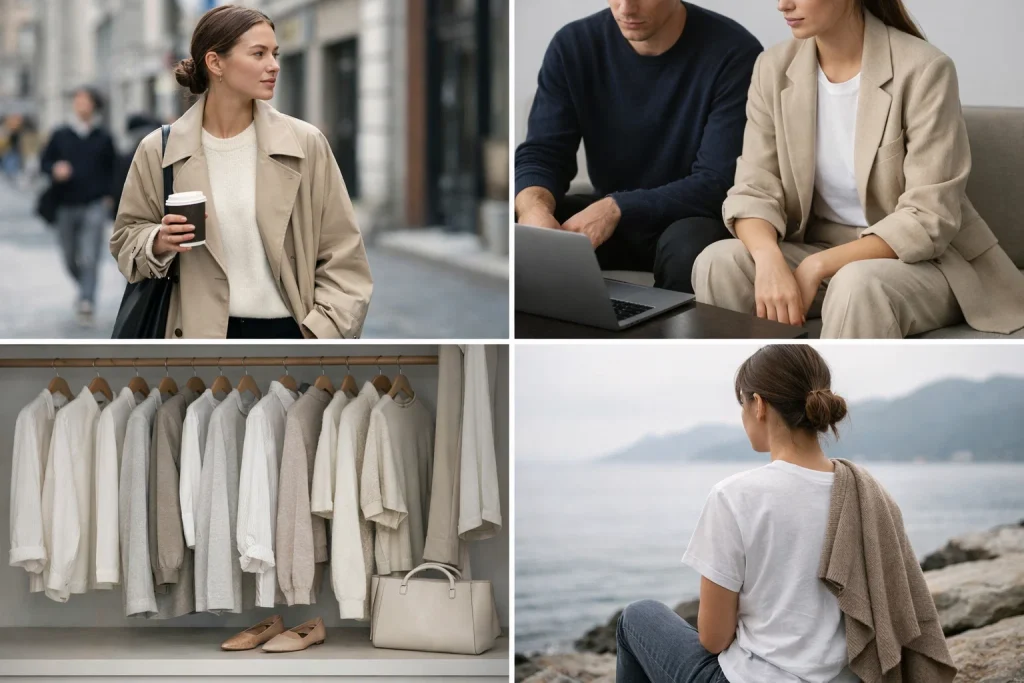
In a world obsessed with appearances, a new movement is emerging: invisible fashion. It’s a shift away from dressing to impress and towards clothing that prioritizes personal comfort and enhances your inner self. Discover why everyone is switching to this revolutionary approach to style.
The Rise of Invisible Fashion and the End of Performative Style
Why fashion is shifting from attention to comfort
The fashion industry is experiencing a significant change, as people increasingly prioritize how they feel in their clothes over dressing to impress. This shift emphasizes comfort and personal expression, marking a move away from attention-driven outfits and toward emotion-driven ones.
How social media changed the way we dress
Social media platforms have dramatically influenced how we dress, often pushing trends and promoting the need to impress. This constant pressure can lead to social media fatigue, image overload, and a desire for a more authentic and comfortable fashion experience.
What “invisible fashion” actually means in 2026
In 2026, “invisible fashion” signifies a style that prioritizes comfort, functionality, and personal well-being over fleeting trends. It embodies a thoughtful fashion choice where individuals choose clothes that enhance their daily experience and contribute to a positive mental state.
What Is Invisible Fashion? (Clear Definition & Core Idea)
Dressing for feeling vs dressing for appearance
Invisible fashion emphasizes dressing for how clothing makes you feel, prioritizing comfort and personal expression over the need to impress others. It is a shift from choosing outfits based on appearance to selecting clothes that enhance your internal experience and mood.
Key characteristics of invisible fashion style
Key characteristics of invisible fashion include several important aspects. The style focuses on:
This allows a focus on personal comfort rather than external validation.
How it differs from minimalism and quiet luxury
While invisible fashion shares similarities with minimalism and quiet luxury, it differs in its primary focus. Minimalism is about reducing possessions, quiet luxury is about understated elegance, and invisible fashion is specifically about prioritizing personal comfort and emotional well-being over impressing others with your style.
Why Everyone Is Switching to Invisible Fashion Now
Burnout from trends and aesthetic pressure
Many individuals are experiencing burnout from keeping up with constantly changing fashion trends and the aesthetic pressure perpetuated by social media. Invisible fashion offers a solution by promoting timeless pieces and a focus on personal style that transcends fleeting trends.
Social media fatigue and image overload
The constant exposure to curated images on social media has led to a widespread feeling of social media fatigue and image overload. People are seeking refuge in invisible fashion, which encourages a more authentic, comfortable, and less performative approach to dressing.
Rise of comfort-first and wellness-driven lifestyles
The rise of comfort-first and wellness-driven lifestyles is a significant reason for the shift towards invisible fashion. As people prioritize their mental and physical well-being, they are choosing clothes that support this lifestyle, favoring comfort and functionality over dressing to impress.
Shift from external validation to internal peace
There is a growing shift away from seeking external validation through fashion and towards prioritizing internal peace and self-acceptance. Invisible fashion supports this shift by encouraging individuals to choose clothes that make them feel good, rather than clothes designed to impress others.
The Psychology Behind Invisible Fashion
Decision fatigue and cognitive overload in daily dressing
Decision fatigue and cognitive overload can be significantly reduced by adopting invisible fashion. The idea is to streamline your wardrobe and make thoughtful fashion choices, reducing the mental effort required to dress daily. Choosing comfortable, basic outfits simplifies the process, allowing you to focus on other important decisions and improving your mental well-being.
Emotional regulation through clothing choices
Clothing choices play a crucial role in emotional regulation. When you dress to feel good, you enhance your mood and overall sense of well-being. Certain colors and styles can evoke specific emotions, allowing you to choose outfits that support your desired emotional state. Understanding this relationship can help you dress to express and feel happy.
Identity shift: from performance self to authentic self
Invisible fashion facilitates an identity shift from a performance self to an authentic self. Instead of dressing to impress, you dress to express your true personality and values. This shift allows you to uncover a deeper understanding of who you are and what truly matters to you, fostering a stronger sense of self.
How clothing influences mood and behavior
Clothing significantly influences mood and behavior. Wearing comfortable and personally meaningful clothes can improve your confidence and productivity. By choosing clothes that make you feel good, you create a positive feedback loop that enhances your daily experience and supports your overall mental health, helping you feel special.
The Benefits of Dressing for Feeling Instead of Impressing
Reduced stress and mental overload
One of the primary benefits of invisible fashion is reduced stress and mental overload. By simplifying your wardrobe and focusing on comfort, you eliminate the pressure to constantly dress to impress. This allows for a more relaxed and stress-free approach to daily dressing, improving your overall well-being.
Increased confidence through comfort and alignment
Increased confidence is a natural outcome of dressing for comfort and personal alignment. When you wear clothes that make you feel good, you project a sense of self-assurance and authenticity. This confidence boost can positively impact your personal and professional life, helping you feel comfortably elegant in any setting.
Better focus and productivity in daily life
Dressing in comfortable, non-restrictive clothing can significantly enhance focus and productivity. When you’re not constantly adjusting or feeling self-conscious about your outfit, you can better concentrate on your tasks. This simple change can lead to improved performance and a more efficient daily routine, offering you creative time to explore.
Stronger sense of personal identity and authenticity
Invisible fashion cultivates a stronger sense of personal identity and authenticity. By choosing clothes that reflect your inner self rather than external expectations, you reinforce your unique character and values. This authentic self-expression fosters self-love and acceptance, allowing you to express yourself freely.
Invisible Fashion vs Traditional Fashion Culture
Attention-driven outfits vs emotion-driven outfits
Traditional fashion culture often emphasizes attention-driven outfits, designed to impress and gain admiration. In contrast, invisible fashion prioritizes emotion-driven outfits, chosen for their comfort and ability to enhance personal well-being. This shift reflects a fundamental change in the value placed on external validation versus internal satisfaction.
Fast fashion influence vs intentional wardrobe choices
Fast fashion promotes a cycle of constantly changing trends and disposable clothing, often leading to mindless consumption. Invisible fashion counters this influence by advocating for intentional wardrobe choices. Focusing on timeless pieces and quality over quantity fosters a more sustainable and thoughtful relationship with fashion, resonating with the context of your personal style.
Why trends are losing emotional value
As more people recognize the superficial nature of fleeting trends, they are losing their emotional value. The pressure to constantly keep up with the latest styles can lead to stress and dissatisfaction. Invisible fashion offers a more fulfilling alternative by focusing on personal comfort and timeless pieces that resonate with individual values, helping you discover the reason for fashion.
The Role of Social Media in the Invisible Fashion Movement
From aesthetic perfection to “real life dressing”
Social media is changing from showcasing aesthetic perfection to embracing “real life dressing”. People now value authenticity over flawlessly curated outfits, reflecting a shift towards more relatable and honest fashion choices. This also influences the clothes people wear and how they feel.
Influence of TikTok and “get ready with me” authenticity
TikTok’s “get ready with me” content promotes authenticity, impacting current fashion trends. This type of content allows people to share their experiences, creating a new normal. This in turn influences other people to choose their outfits for comfort over appearance, helping them feel more comfortable.
Decline of heavily curated fashion identity online
The trend of heavily curated fashion identities online is declining as users seek more genuine self-expression. People are uncovering that this change is happening because of the current social and emotional climate. This influences unique takes on fashion and a focus on what makes people feel good.
How to Build an Invisible Fashion Wardrobe (Step-by-Step Guide)
Step 1: Remove clothing that feels performative
The first step in creating an invisible fashion wardrobe involves removing clothing that feels performative. Consider each item and ask yourself if you wear it to impress others or because it genuinely brings you joy and comfort. Keep the pieces that enhance your personal style.
Step 2: Focus on comfort, fit, and movement
When selecting new clothing pieces, several factors are crucial for ensuring satisfaction. Consider these aspects to make the best choices:
- Comfort: Prioritize materials that feel good against your skin.
- Fit and Movement: Choose styles that flatter your body without restricting it and allow for ease of motion.
These considerations will help you feel comfortable and confident throughout the day.
Step 3: Choose neutral, wearable, repeatable outfits
To simplify your wardrobe, it’s best to opt for outfits that are neutral, wearable, and repeatable. This involves carefully curating your clothing selections, focusing on:
- Basic pieces in versatile colors
- Items that can be mixed and matched easily
This approach minimizes decision fatigue and makes dressing each day a breeze, freeing up mental space for other activities.
Step 4: Create a “feel-first” outfit system
Develop a “feel-first” outfit system by categorizing your clothing based on how it makes you feel. For example, designate outfits for feeling creative, focused, relaxed, or powerful. This system ensures that you always choose clothes that align with your desired mood and activities.
Common Mistakes People Make With Invisible Fashion
Confusing invisible fashion with careless dressing
One common mistake is confusing invisible fashion with careless dressing. While the goal is comfort, this doesn’t mean neglecting fit or appearance. Invisible fashion should still be intentional and thoughtfully put-together to enhance your personal style and reflect self love.
Losing personal expression in the name of simplicity
Losing personal expression in the name of simplicity is another potential pitfall. Invisible fashion should enhance, not stifle, your unique style. Incorporate personal touches, such as accessories or unique color combinations, to ensure your outfits reflect your individual character and fashion choices.
Ignoring context (work, events, social settings)
Ignoring the context of different settings (work, events, social settings) can undermine the effectiveness of invisible fashion. While comfort is key, it’s essential to ensure your clothing choices are appropriate for the occasion. Adapt your style to fit the environment while staying true to your personal comfort and preferences, to choose the right context.
Invisible Fashion and the Future of Style
Rise of emotional and wellness-based fashion design
The future of style involves the rise of emotional and wellness-based fashion design. Designers are increasingly focusing on creating clothing that not only looks good but also enhances the wearer’s emotional and physical well-being. Innovation in comfortable fabrics and flattering cuts reflects this change and uncovers the reason.
Shift toward sustainable and intentional wardrobes
A significant shift toward sustainable and intentional wardrobes is reshaping the fashion industry. Consumers are increasingly aware of the environmental impact of fast fashion and are opting for durable, ethically produced clothing. The idea is to reflect a value for mindful consumption and long-term satisfaction.
How fashion brands are adapting to comfort culture
Fashion brands are adapting to the growing comfort culture by incorporating more relaxed fits, sustainable materials, and versatile designs into their collections. Many are also marketing their products as tools for self-care and emotional well-being, to help people feel like themselves. Reflecting the idea that comfort and style can coexist.
Conclusion: Why Invisible Fashion Is More Than a Trend
Invisible fashion is more than just a fleeting trend; it signifies a fundamental shift in how we perceive and interact with clothing. It represents a move towards prioritizing personal comfort, emotional well-being, and authentic self-expression over external validation. As such, it has the potential to transform our relationship with fashion for the better.