


The Ultimate Minimalist Survival List
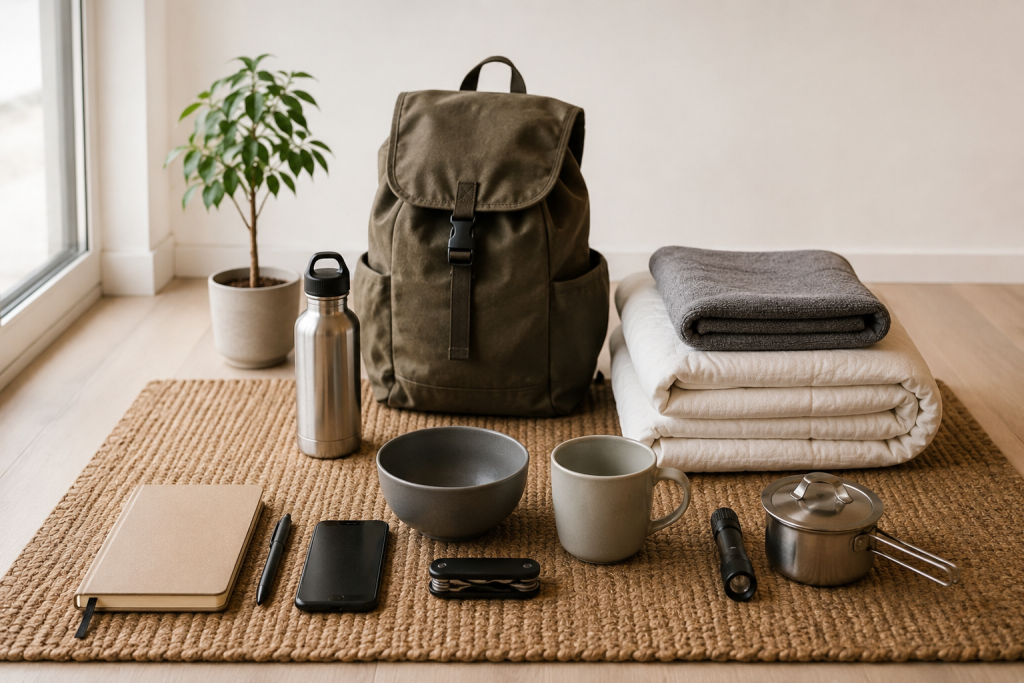
The Challenge of Living With Only 10 Items
Why Minimalism and Survival Thinking Matter Today
In our modern society, where we often get overwhelmed by the sheer volume of stuff we own, embracing minimalism and survival thinking has become an increasingly vital mindset shift. This approach encourages us to reduce our reliance on endless physical items and instead prioritize what truly serves a purpose, fostering a more mindful and resilient lifestyle by:
- Reducing reliance on endless physical items
- Fostering a more mindful and resilient lifestyle
What This “10 Items Only” Concept Really Teaches You
The radical “10 items only” concept pushes us to truly simplify our lives, revealing that true happiness and fulfillment don’t stem from accumulating much stuff. It’s a profound exercise in decluttering not just our physical spaces, like an apartment or wardrobe, but also our minds, teaching us to discern genuine needs from mindless consumption.
The Core Principles of Choosing the 10 Essential Items
Functionality Over Quantity
When selecting your ultimate 10 items, the core principle is to prioritize functionality over sheer quantity, encouraging a thoughtful approach to every possession. Instead of accumulating numerous items that serve similar purposes, a minimalist lifestyle asks you to choose fewer, more versatile tools that can tackle multiple tasks efficiently, thus reducing clutter.
Versatility and Multi-Use Value
Emphasizing versatility and multi-use value is paramount in this minimalist challenge, ensuring each item earns its place through its capacity to perform various tasks. This strategic selection helps you reduce the total number of physical items you need to own, making your limited inventory incredibly powerful and convenient for diverse scenarios, ultimately simplifying your life.
Survival, Comfort, and Mental Clarity Balance
Achieving a delicate balance between survival necessities, personal comfort, and mental clarity is crucial when curating your list of 10 items. This approach ensures that while you prioritize essential tools for basic survival, you also include items that contribute to your well-being and reduce stress, fostering a sense of control and peace in your minimalist living. These items might include:
- Items that contribute to your well-being
- Items that reduce stress
The 10 Essential Items for Minimal Survival Living
Clothing System for All Weather Conditions
A carefully curated clothing system is fundamental among your 10 items, designed to provide adequate protection and comfort across all weather conditions. This means choosing versatile items of clothing that can be layered, ensuring you are prepared for various situations. These include:
- Unexpected cold snaps
- Warmer days
This approach allows you to manage without needing an extensive wardrobe or constantly doing laundry.
Multi-Tool or Swiss Army Knife for Daily Tasks
A high-quality multi-tool or a reliable Swiss Army Knife is an indispensable item, acting as a compact powerhouse for countless daily tasks and unexpected challenges. This single investment can replace an entire collection of specialized tools, offering everything from cutting and opening to minor repairs, making it a cornerstone of efficient, minimalist living and problem-solving.
Water Bottle for Hydration and Survival
A durable water bottle is undeniably one of the most critical items on your list, serving not only for daily hydration but also as a vital survival tool. It encourages you to consistently monitor your water intake and can be crucial for safely collecting and carrying water, reducing dependence on single-use plastic bottles and promoting environmental mindfulness.
Smartphone for Communication and Navigation
In today’s interconnected world, a smartphone is a multifaceted item that provides essential communication and navigation capabilities, making it indispensable for modern survival and daily living. Beyond calls, it offers access to maps, emergency services, and information, significantly reducing the need for separate devices and embodying digital minimalism in one convenient tool.
Portable Power Bank for Energy Independence
A reliable portable power bank secures your energy independence, ensuring that your essential electronic items, especially your smartphone, remain functional when traditional power sources are unavailable. This critical item allows you to maintain communication, access vital information, and navigate for extended periods, making it a cornerstone for emergency preparedness and minimalist travel.
Lightweight Sleeping Setup for Rest and Recovery
A lightweight sleeping setup is an essential item for ensuring adequate rest and recovery, which is crucial for both physical and mental well-being in any living situation. This might include a compact sleeping bag or a minimalist hammock, providing a comfortable and secure place to sleep, allowing you to sustain your energy and focus over time without relying on bulky furniture.
Compact Cooking Tool for Basic Meal Preparation
A compact cooking tool is a vital item for basic meal preparation, offering the ability to prepare simple, nourishing meals regardless of your location. This could be a small camping stove or a multi-purpose pot, significantly reducing your reliance on pre-packaged foods and enabling you to cook efficiently, contributing to both your health and self-sufficiency in a minimalist pantry.
Hygiene Kit for Health and Cleanliness
A well-assembled hygiene kit is a non-negotiable item for maintaining health and cleanliness, crucial for preventing illness and preserving dignity in any environment. This compact set typically includes essential toiletries like a toothbrush, soap, and a small towel, ensuring you can uphold personal hygiene without needing a vast array of products, aligning with minimalist principles.
Notebook and Pen for Planning and Thinking
A simple notebook and pen are invaluable items for planning, journaling, and critical thinking, offering a tangible way to organize thoughts and record important information. This analog tool allows for mental clarity without digital distractions, serving as a personal planner, a place for creative expression, or a crucial log, embodying the power of a few essential pieces of paper.
Weather-Resistant Outer Layer for Protection
A high-quality, weather-resistant outer layer is an essential item for protection against various environmental elements, from rain and wind to cold temperatures. This versatile piece of clothing serves as your primary shield, minimizing the need for multiple specialized jackets and providing crucial comfort and safety, proving its worth as a cornerstone of your minimalist wardrobe and survival gear.
Why These 10 Items Are Enough to Survive and Function
Multi-Purpose Use of Each Item
Each of the 10 items on this minimalist checklist is chosen for its multi-purpose utility, which significantly reduces the need for an extensive collection of specialized physical items. This strategic investment ensures that every possession you own can tackle a variety of tasks, inherently simplifying your life and minimizing clutter by making a single item serve several functions, from a multi-tool handling repairs to a smartphone managing communication and navigation.
Eliminating Unnecessary Dependence on Possessions
Committing to just 10 items forces a fundamental mindset shift, compelling you to remove unnecessary dependence on a vast array of possessions and instead prioritize what truly serves a purpose. This process of getting rid of excess furniture, a cluttered wardrobe, or an overstuffed pantry fosters a sense of freedom, proving that a more meaningful life isn’t about how much stuff you own, but rather about intentional choices and appreciating what you have.
Psychological Benefits of Minimal Living
Embracing a minimalist lifestyle with only 10 items offers profound psychological benefits, reducing stress and mental overload often associated with managing too much stuff. This decluttering process extends beyond physical items, helping to tidy your mind and cultivate mental clarity, allowing you to focus on experiences rather than possessions, which ultimately contributes to a stronger sense of control and greater happiness.
Survival Benefits of a Minimalist Lifestyle
Increased Adaptability in Any Environment
A minimalist lifestyle, particularly one focused on a mere 10 items, inherently fosters increased adaptability, making you more resilient and prepared for any environment. By reducing the physical items you carry or own, you become less encumbered and more agile, allowing you to respond effectively to unexpected challenges or changes in your living situation, whether that’s in an apartment or out in nature, without getting overwhelmed by possessions.
Improved Decision-Making and Focus
With fewer things to manage and fewer physical items demanding your attention, a minimalist approach leads to improved decision-making and enhanced focus. This intentional reduction in clutter, from your wardrobe to your entire apartment, minimizes distractions and frees up mental energy, allowing you to prioritize tasks and make choices with greater clarity and efficiency, leading to a less stressful existence.
Reduced Stress and Mental Overload
One of the most significant survival benefits of a minimalist lifestyle is the substantial reduction in stress and mental overload, which are common culprits in our consumer-driven society. By getting rid of items accumulated over the years, from furniture to items of clothing you haven’t worn in ages, you free yourself from the burden of maintaining and managing too much stuff, promoting a sense of peace and mental clarity.
Real-Life Applications of the 10-Item Minimalism Concept
Travel and Backpacking Minimalism
The 10-item minimalism concept is perfectly tailored for travel and backpacking, allowing you to reduce your luggage significantly and simplify your journey. By committing to this principle, you carry only essential items of clothing, a compact cooking tool, and multi-purpose gear, making your travels much more convenient, lighter, and freeing you from the common hassle of overpacking, while still having everything you might need.
Emergency Preparedness Scenarios
In emergency preparedness scenarios, the logic of the 10-item survival list truly shines, providing a practical framework for assembling a grab-and-go kit without getting overwhelmed. This minimalist approach ensures that you have the most crucial physical items—such as a reliable multi-tool, a water bottle, and a communication device—ready to tackle immediate challenges, reducing the panic often associated with needing to act quickly and effectively.
Digital Minimalism and Modern Life Simplification
Beyond physical possessions, the 10-item philosophy extends to digital minimalism, encouraging a mindful approach to our online lives and modern life simplification. By reducing reliance on countless apps, notifications, and unnecessary digital items, much like decluttering a physical closet, we free up mental space, improve focus, and gain a stronger sense of control over our attention, leading to a more fulfilling and less cluttered digital existence.
Common Mistakes People Make When Choosing Essential Items
Choosing Too Many Non-Essential Items
One of the primary mistakes people make when attempting to adopt the 10-item minimalist challenge is choosing too many non-essential items, straying from the core logic of truly functional living. They might get overwhelmed by the initial decluttering process and try to justify holding onto physical items that offer little multi-purpose value, ultimately hindering the process of getting rid of unnecessary clutter and preventing a true mindset shift towards simplified living.
Ignoring Multi-Functionality
Another frequent misstep is ignoring multi-functionality when making selections, which defeats the purpose of the 10-item minimalist list and the principle of owning fewer things. Instead of prioritizing items that can tackle multiple tasks, individuals often choose single-purpose possessions, which quickly leads to a collection of much stuff rather than a highly efficient, compact set of tools, making it harder to simplify your life effectively.
Overlooking Survival Priorities (Water, Shelter, Tools)
A critical error, especially in a survival context, is overlooking fundamental survival priorities such as access to water, adequate shelter, and essential tools, which are non-negotiable for basic well-being. People sometimes focus on comfort or entertainment items instead, neglecting the core physical items necessary for safety and sustenance, thereby compromising their ability to function effectively in an emergency or minimalist living situation and failing to commit to a truly resilient lifestyle.
How to Adapt the 10-Item List to Your Personal Lifestyle
Climate-Based Adjustments (Hot vs Cold Regions)
Adapting your 10-item list requires thoughtful climate-based adjustments, recognizing that the optimal physical items for a hot region will differ significantly from those for cold regions. In colder climates, your wardrobe priority might be insulated items of clothing and a robust sleeping setup, while in warmer areas, lightweight, breathable fabrics and reliable water collection tools would take precedence, ensuring your minimalist choices are practical for your specific environment.
Urban vs Outdoor Living Considerations
Considering whether your primary environment is urban or outdoor living is crucial for customizing your 10-item list, as each setting demands different priorities and types of physical items. For urban dwellers, a smartphone and power bank might be paramount for navigation and communication, while those in outdoor settings might prioritize a durable multi-tool, a compact cooking tool, and advanced weather-resistant gear, allowing each individual to simplify their life according to their specific needs without getting overwhelmed.
Skill Level and Personal Needs Customization
Your personal skill level and specific needs are vital factors for customizing your 10-item list, as they directly influence which physical items will offer the most value and utility. Someone with advanced outdoor survival skills might opt for more basic tools, relying on their expertise, whereas a less experienced individual might prioritize items that offer greater convenience or safety features, ensuring the chosen 10 items truly support their capacity to thrive, promoting a tailored approach to minimalism.
Psychological Impact of Living With Only 10 Items
Reduced Anxiety and Decision Fatigue
Living with only 10 items can profoundly reduce anxiety and alleviate decision fatigue, as the burden of managing and choosing from much stuff is significantly removed. When you have fewer things to organize, maintain, and worry about, your mental energy is freed up, allowing for greater peace of mind and clarity, proving that getting rid of clutter from your apartment or wardrobe can lead to a more tranquil and focused existence.
Stronger Sense of Control and Freedom
Embracing a minimalist lifestyle with a strict 10-item limit cultivates a stronger sense of control and unparalleled freedom, moving beyond the confines of material possessions. This intentional reduction allows you to remove the emotional attachment to items accumulated over the years, giving you a powerful mindset shift where you truly own your life rather than being owned by your possessions, fostering a liberating independence.
Shift From Materialism to Intentional Living
The ultimate psychological impact of living with only 10 items is a fundamental shift from materialism to a deeply intentional living philosophy, where every possession serves a purpose and aligns with your values. This process of decluttering and carefully selecting each item encourages a mindful approach to consumption, reducing the desire to purchase something new constantly and instead finding fulfillment in experiences and true necessities, transforming your entire outlook on life and happiness.
Conclusion: What This Minimalist Challenge Teaches About Life
This minimalist challenge, focusing on just 10 items, ultimately teaches us invaluable lessons about life, highlighting the profound difference between accumulation and true contentment. It’s an exercise in prioritizing what genuinely matters, revealing that happiness and functionality are not found in much stuff, but in intentional choices and appreciating the simplicity that comes from having just enough to thrive, rather than being overwhelmed by excess.