


Why Everyone Is Craving Less Noise And More Peace In 2026
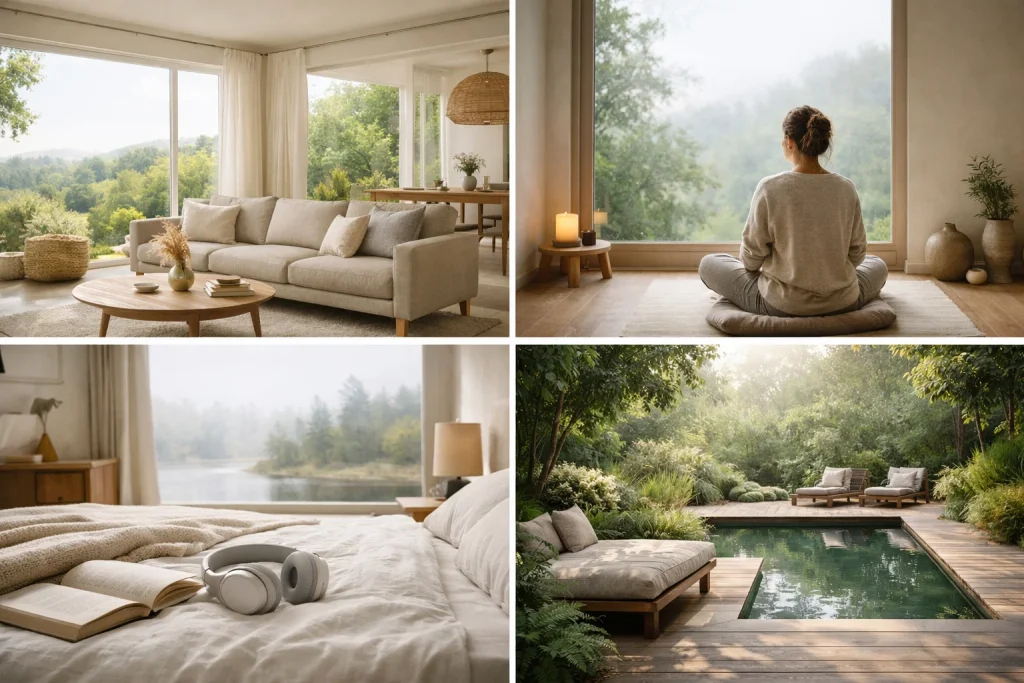
In an increasingly chaotic modern world, the concept of the quiet home is emerging as a highly sought-after ideal. This article explores why peace and quiet is becoming a top priority for homeowners. We will delve into the core elements of this interior design approach, its psychological benefits, and practical ways to create your own true sanctuary.
Why Modern Homes Are Getting “Quieter” in 2026
The shift from aesthetic-driven homes to emotionally intelligent living spaces
The shift from homes focused primarily on aesthetics to those prioritizing emotional intelligence reflects a deeper understanding of how our environment affects well-being. Modern homes are being designed to foster relaxation and support mental and physical health.
How overstimulation in daily life is reshaping interior design priorities
Constant exposure to noise and visual clutter in city life contributes to overstimulation, prompting a desire for quieter, more peaceful spaces at home. This need for tranquility is reshaping interior design priorities, emphasizing calm and serenity.
What Is the Quiet Home Concept? A New Era of Living Design
Defining quiet homes beyond silence: emotional, visual, and sensory calm
A quiet home goes beyond mere silence, encompassing emotional, visual, and sensory calm. It’s about creating a peaceful environment that minimizes noise, reduces stress levels, and promotes overall well-being for every homebuyer.
Quiet homes vs minimalism vs luxury interiors: key differences
While sharing some similarities, quiet homes differ from minimalism and luxury interiors. The table below highlights some key distinctions:
| Interior Style | Key Focus |
|---|---|
| Quiet Homes | Acoustic comfort and emotional well-being |
| Minimalism | Simplicity |
| Luxury | Opulence and high-end materials |
Why “quiet living” is becoming a global lifestyle movement
“Quiet living” is gaining traction as a global lifestyle movement due to increased awareness of the negative effects of noise pollution and the desire for greater peace and quiet. People want their home to be a true sanctuary.
The Psychology Behind the Quiet Home Trend
How noise pollution affects stress, sleep, and cognitive overload
Noise pollution significantly impacts our mental and physical health, contributing to increased stress levels, disrupted sleep, and cognitive overload. Creating a quieter space becomes essential for mitigating these harmful effects within the neighbourhood.
The brain’s need for sensory rest in the digital age
In the digital age, the brain is constantly bombarded with information, making sensory rest crucial. A quiet home provides that necessary respite, allowing the brain to recharge and restore energy levels, promoting productivity.
Why people now crave “low-stimulation environments” at home
People crave “low-stimulation environments” at home to counter the sensory overload experienced in the modern world. Quiet spaces offer a haven for relaxation, helping to reduce noise-induced stress levels and foster well-being.
The Main Drivers Behind the Rise of Quiet Homes in 2026
Digital burnout and constant notification fatigue
Digital burnout and constant notification fatigue are key drivers behind the rise of quiet homes. Escaping the relentless demands of technology requires a peaceful environment where one can disconnect and recharge after dealing with the noise issues.
Post-pandemic lifestyle changes and home-centered living
Post-pandemic lifestyle changes have led to more time spent at home, increasing the demand for comfortable and functional spaces. Home-centered living amplifies the need for quiet spaces to support work, relaxation, and overall quality of life.
The rise of mental wellness and neuro-design awareness
The growing emphasis on mental and physical health and neuro-design awareness has fueled the demand for quiet homes. People are increasingly aware of how their environment affects their well-being, making acoustic comfort a priority.
Urban noise pollution and the escape to indoor peace
Urban areas are plagued by noise pollution from traffic, construction, and general commotion. The desire to escape this constant noise drives many to seek indoor peace and quiet through quiet home design and sound absorption methods.
Core Elements of a Quiet Home Design
Sound control: acoustic panels, soft materials, and noise reduction techniques
Sound control is paramount in designing a quieter home. Utilizing acoustic panels strategically can reduce noise, and incorporating soft materials like rugs and curtains helps absorb sound waves. Effective noise reduction techniques are crucial for creating a true sanctuary, away from high noise.
Visual silence: neutral palettes, decluttering, and intentional space design
Creating visual silence involves using neutral palettes, decluttering, and intentional space design. Minimizing visual distractions can significantly lower stress levels. A well-organized environment promotes mental and physical health, turning a home into a peaceful environment for the homeowner.
Lighting psychology: warm lighting vs harsh artificial brightness
Lighting psychology plays a vital role in creating a quiet home. Opting for warm lighting instead of harsh artificial brightness can create a soothing atmosphere, promoting relaxation. The right lighting enhances productivity and contributes to a more peaceful space.
Naturally calming materials: wood, linen, stone, and organic textures
Choosing the right materials, such as wood, linen, and stone, can greatly contribute to a quiet home. These materials not only add texture but also help in sound absorption and fostering a sense of tranquility. Their organic nature can help reduce noise and foster calm.
Spatial flow: creating open but non-overstimulating environments
Effective spatial flow involves creating open yet non-overstimulating environments. A thoughtful layout can prevent sound travels, while well-defined zones provide privacy and reduce distractions. Such design promotes relaxation and supports overall well-being for the homeowner.
Quiet Luxury vs Quiet Homes: Are They the Same Trend?
Understanding quiet luxury aesthetics in modern interior design
Quiet luxury aesthetics in modern homes emphasize understated elegance and high-quality materials. This design approach focuses on timelessness and sophistication, creating a refined and comfortable space. It provides a sense of tranquility without ostentatious displays of wealth.
How quiet homes focus more on emotional wellbeing than status
Quiet homes prioritize emotional well-being over status, focusing on creating a peaceful environment that supports mental and physical health. The goal is to reduce stress levels and promote relaxation, ensuring the home functions as a true sanctuary. It goes beyond aesthetics.
Where the two trends overlap and where they differ
Quiet luxury and quiet homes share a focus on high-quality and comfort, but they differ in their primary goals. The nuances can be understood as follows:
| Concept | Emphasis |
|---|---|
| Quiet Luxury | Understated elegance |
| Quiet Homes | Emotional well-being and acoustic comfort |
The designs can overlap, but the intent is different.
How Quiet Homes Improve Mental Health and Daily Life
Reduced cortisol levels and improved stress regulation
A quiet home helps in reducing cortisol levels and improving stress regulation. The peaceful environment reduces triggers that lead to heightened stress levels, fostering a sense of relaxation and calm. This directly contributes to better mental and physical health.
Better sleep quality through sensory reduction
Sensory reduction is key to improving sleep quality in a quiet home. By minimizing noise and visual distractions, the bedroom becomes a true sanctuary for rest. This leads to more restorative sleep, enhancing overall quality of life for the homeowner.
Improved focus, productivity, and emotional stability
Creating quiet spaces at home can significantly improve focus, productivity, and emotional stability. By minimizing distractions, a home office can become a haven for concentration. The peaceful environment allows for better mental and physical health and emotional regulation.
Strengthening the home as a “nervous system reset space”
A quiet home functions as a “nervous system reset space,” offering a respite from the noisy modern world. This true sanctuary allows individuals to disconnect, recharge, and regulate their nervous systems, fostering relaxation and promoting overall well-being which fosters emotional tranquility.
Design Mistakes That Break the “Quiet Home” Experience
Overdecorating with visual clutter and excessive furniture
Overdecorating a space with visual clutter and excessive furniture introduces unnecessary visual noise, disrupting the peaceful environment of a quiet home. Too many items can overwhelm the senses, increasing stress levels instead of fostering relaxation for the homeowner.
Using harsh lighting or mixed color chaos
Harsh lighting and a chaotic mix of colors can significantly detract from the sense of tranquility in a quiet home. These elements create visual noise that can elevate stress levels and hinder relaxation. The design should focus on peace and quiet.
Ignoring sound management in open-plan spaces
Ignoring sound management in open-concept floor plans is a major mistake. Without sound absorption measures, noise can travel freely, disrupting the acoustic comfort and privacy of the space. It’s vital to reduce noise for the sake of mental and physical health.
Creating “aesthetic noise” instead of functional calm
Creating “aesthetic noise” through mismatched patterns or jarring decorative choices defeats the purpose of a quiet home. Prioritizing functional calm over purely visual appeal ensures the design supports relaxation and minimizes stress levels throughout the home.
How to Create a Quiet Home on Any Budget
Budget-friendly acoustic improvements (rugs, curtains, textiles)
Acoustic improvements don’t have to break the bank; budget-friendly options like adding rugs, curtains, and other textiles can significantly reduce noise. These materials help absorb sound waves, creating a quieter and more peaceful environment in a noisy city life.
Minimal redesign tips for small apartments and rooms
Even in small apartments, minimal redesign efforts can yield significant results. Strategic room placement and decluttering can maximize space and minimize visual noise. Utilizing thoughtful design principles will foster tranquility and improved mental and physical health in any small space.
Decluttering strategies that instantly reduce mental noise
Decluttering is a simple yet powerful strategy to instantly reduce mental noise. A clear and organized environment minimizes distractions, allowing for greater focus and relaxation. Such quiet spaces promote a sense of calm and improve overall quality of life.
Affordable decor choices that support calm living
Affordable decor choices can greatly enhance calm living. Opt for items in neutral tones, natural textures, and minimalist designs to create a soothing atmosphere. Strategic decor choices can foster a peaceful environment, supporting relaxation and improved mental and physical health.
The Future of Quiet Homes: Where Interior Design Is Heading Next
Smart homes designed for emotional regulation and calm
Future smart homes will be designed for emotional regulation and calm. Integrating technology to manage lighting, temperature, and sound levels will optimize the environment for relaxation. This will help the homeowner have less stress levels and better quality of life.
AI-driven lighting, sound, and mood personalization
AI-driven personalization will allow for dynamic adjustments to lighting, sound, and overall mood to cater to individual needs and preferences. The goal is to create quiet spaces and a peaceful environment that adapts in real-time to promote well-being and productivity.
The rise of “invisible wellness design” in architecture
The rise of “invisible wellness design” in architecture involves integrating features that promote well-being without being overtly noticeable. This includes improved insulation, better air quality, and materials that naturally reduce noise, creating a true sanctuary.
Why future homes will prioritize peace over visual complexity
Future modern homes will prioritize peace and quiet over visual complexity. Designs will emphasize simplicity, sound absorption, and elements that foster relaxation and tranquility. The focus is not only on aesthetics, but also on improving mental and physical health.
Conclusion: Why Quiet Homes Represent a Lifestyle Shift, Not Just a Trend
Quiet homes represent more than just a passing trend; they signify a fundamental lifestyle shift. As noise pollution increases in our fast-paced modern world, the need for quiet spaces and true sanctuary is becoming essential for maintaining mental and physical health. Prioritizing peace and quiet at home is an investment in overall well-being and quality of life, making design a crucial amenity for present and future generations.
The desire to reduce noise and cultivate a peaceful environment underscores a broader movement towards mindful living and prioritizing relaxation amidst the constant commotion of city life. By integrating sound absorption techniques, choosing the right materials, and adopting thoughtful room placement, homeowners can transform their living spaces into havens of tranquility.
This commitment to acoustic comfort and sensory reduction not only mitigates the negative impact noise but also empowers individuals to reconnect with themselves, enhance productivity, and foster a deeper sense of home as a “nervous system reset space.” The rise of quiet homes reflects a collective recognition of the profound influence our surroundings have on our emotional state, driving a global movement towards prioritizing privacy, relaxation, and ultimately, a better quality of life within the neighbourhood.